
Where to start
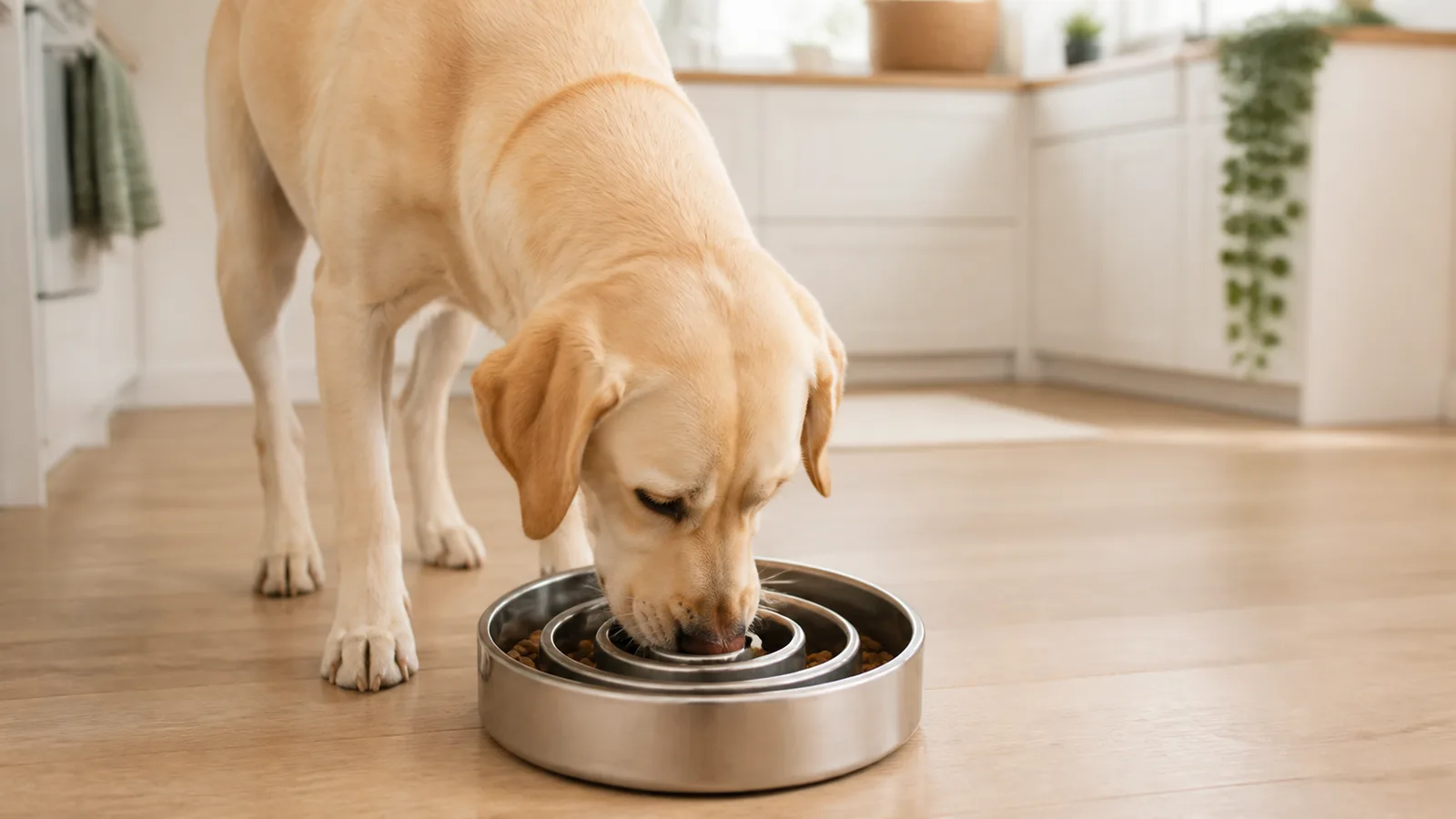
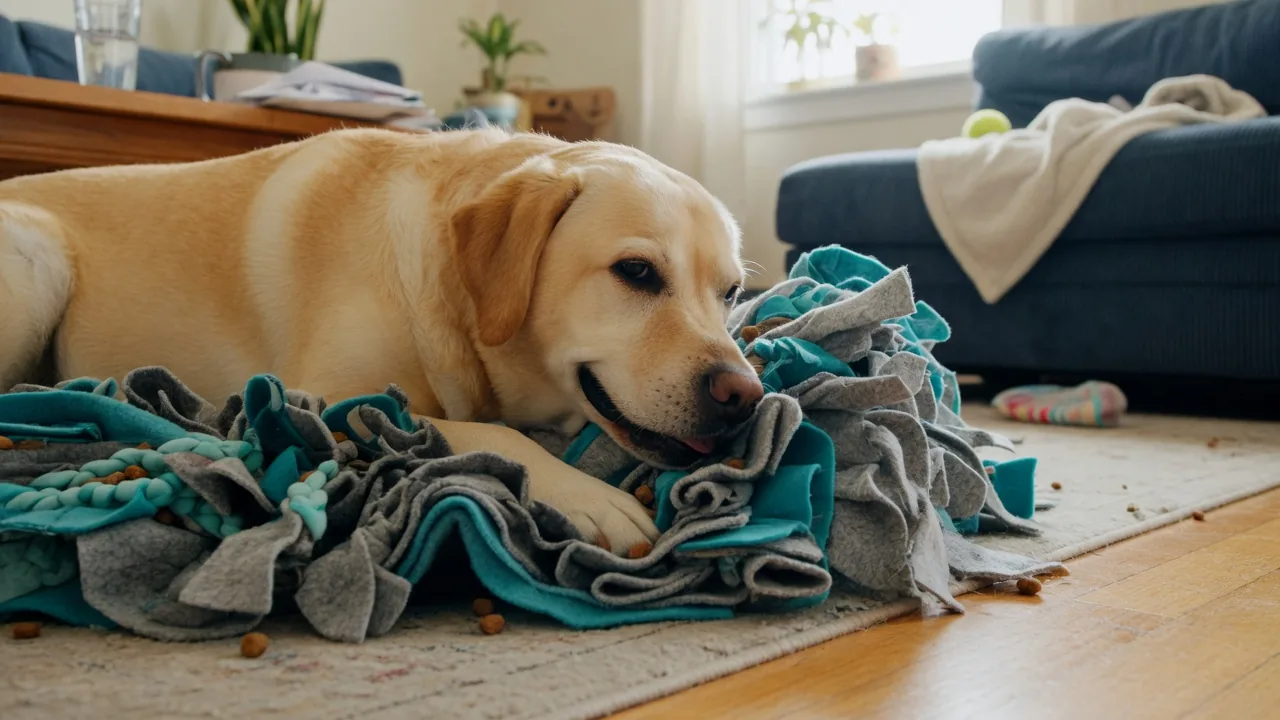
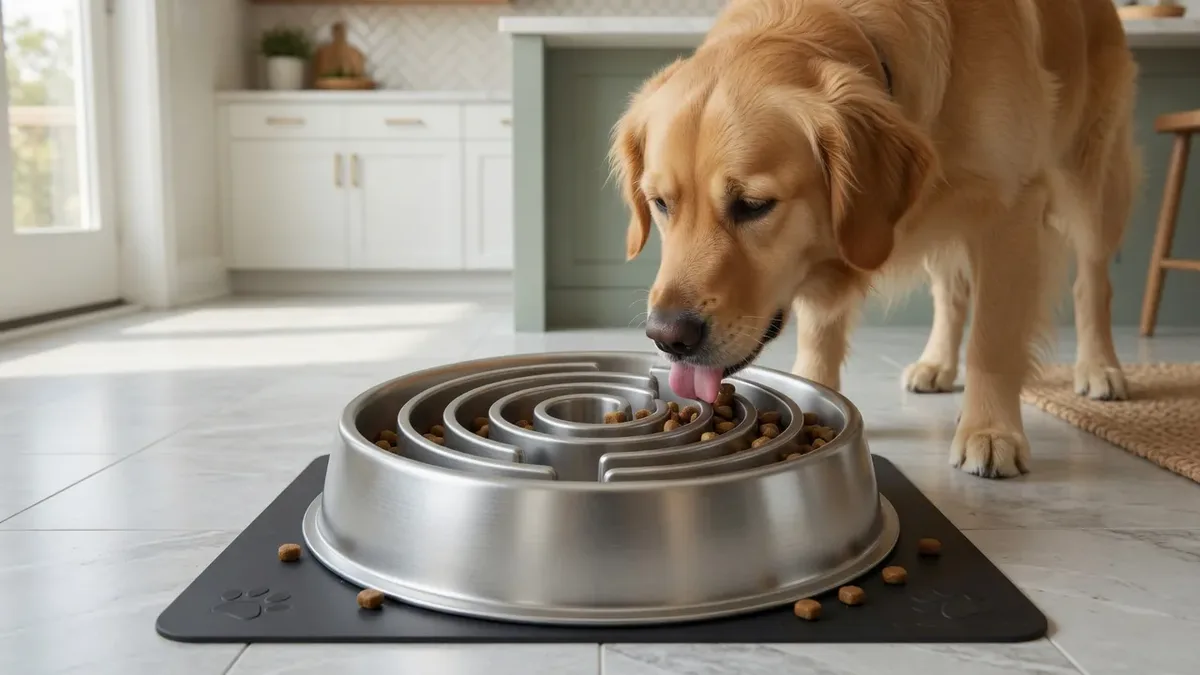
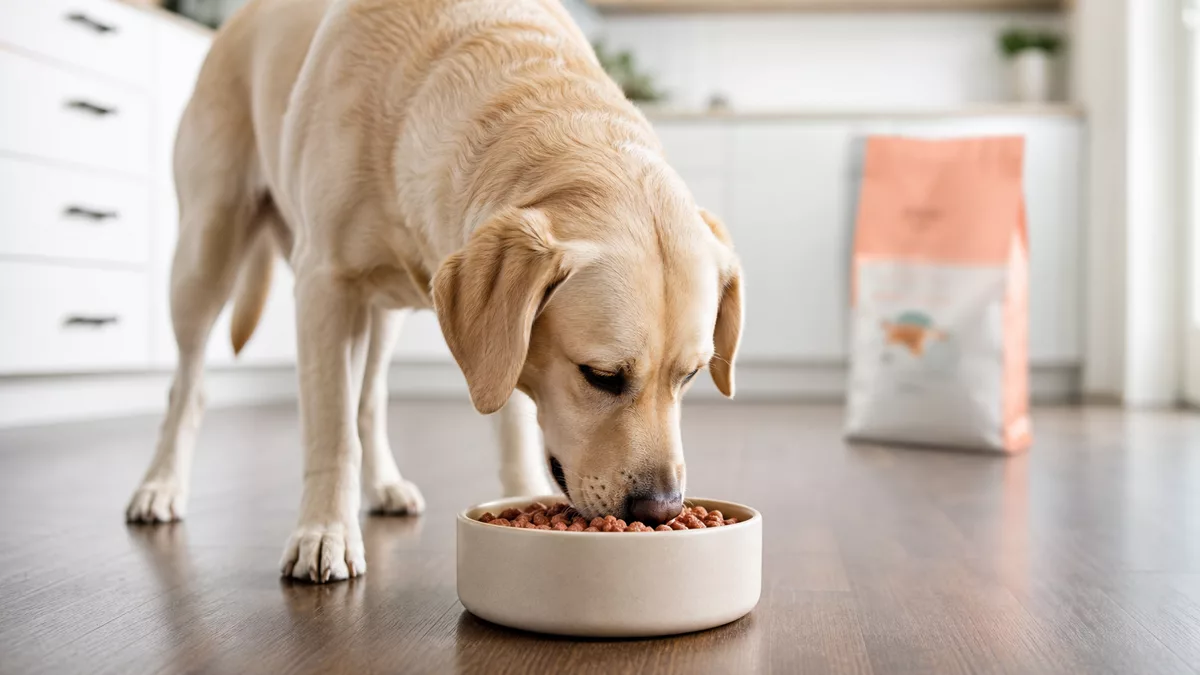
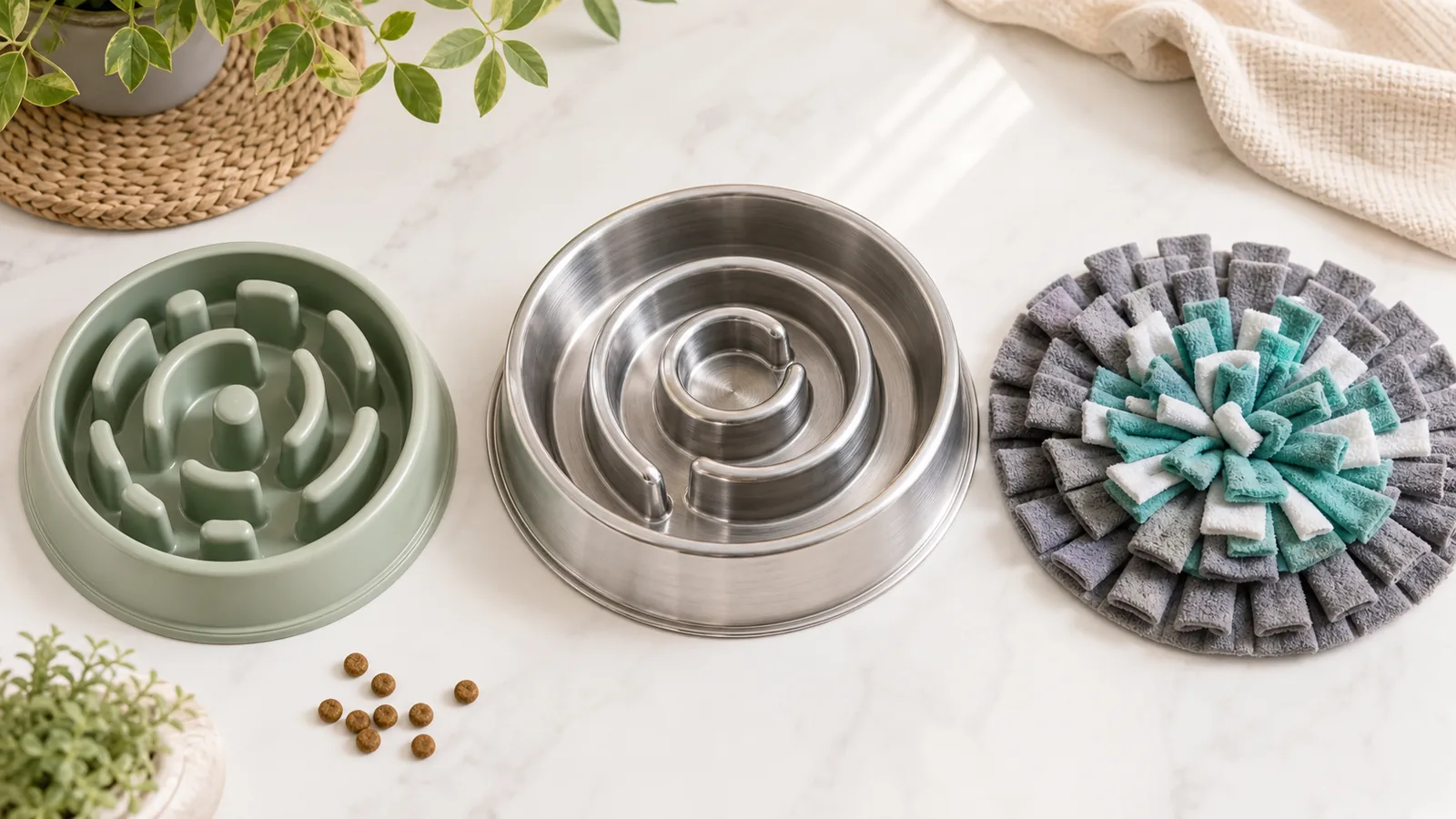
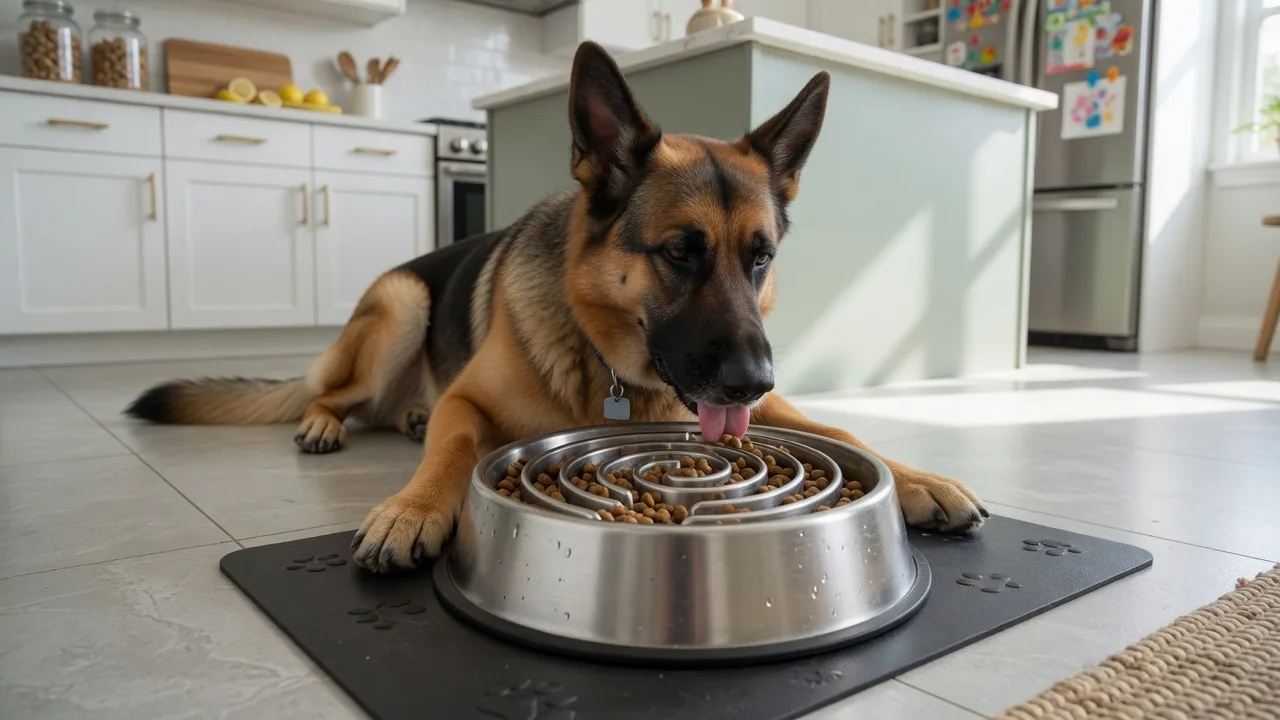
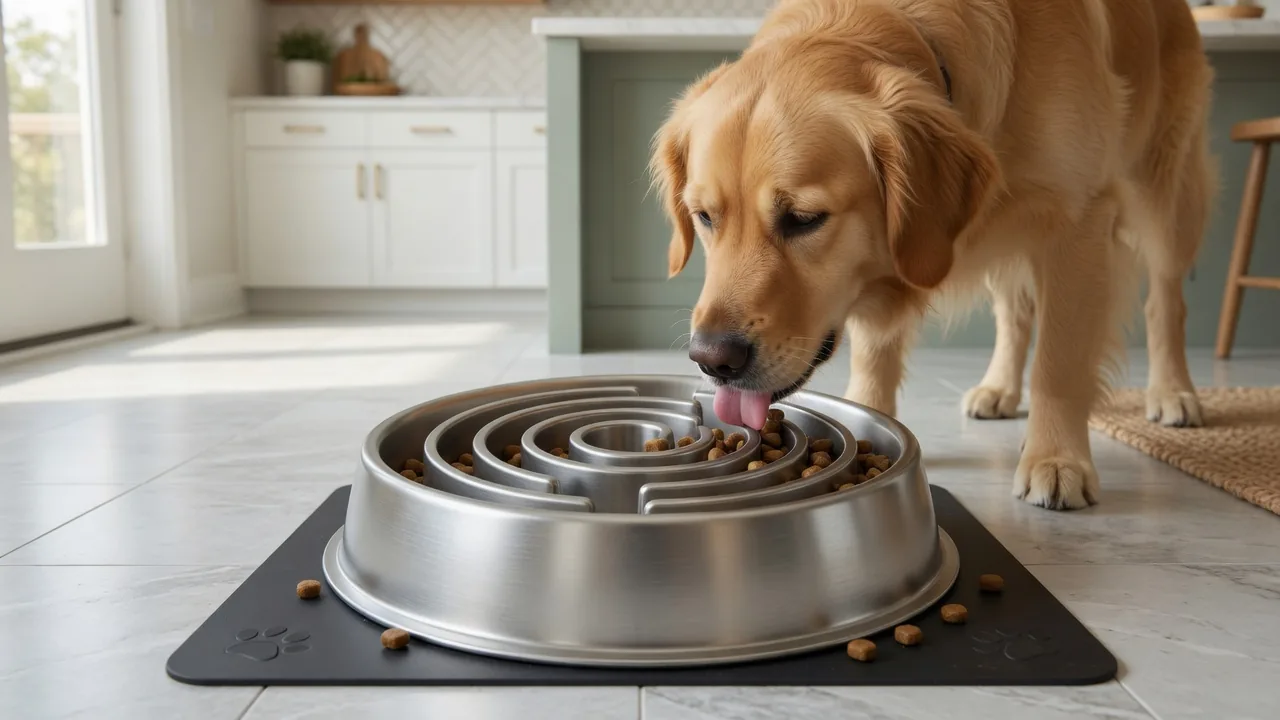
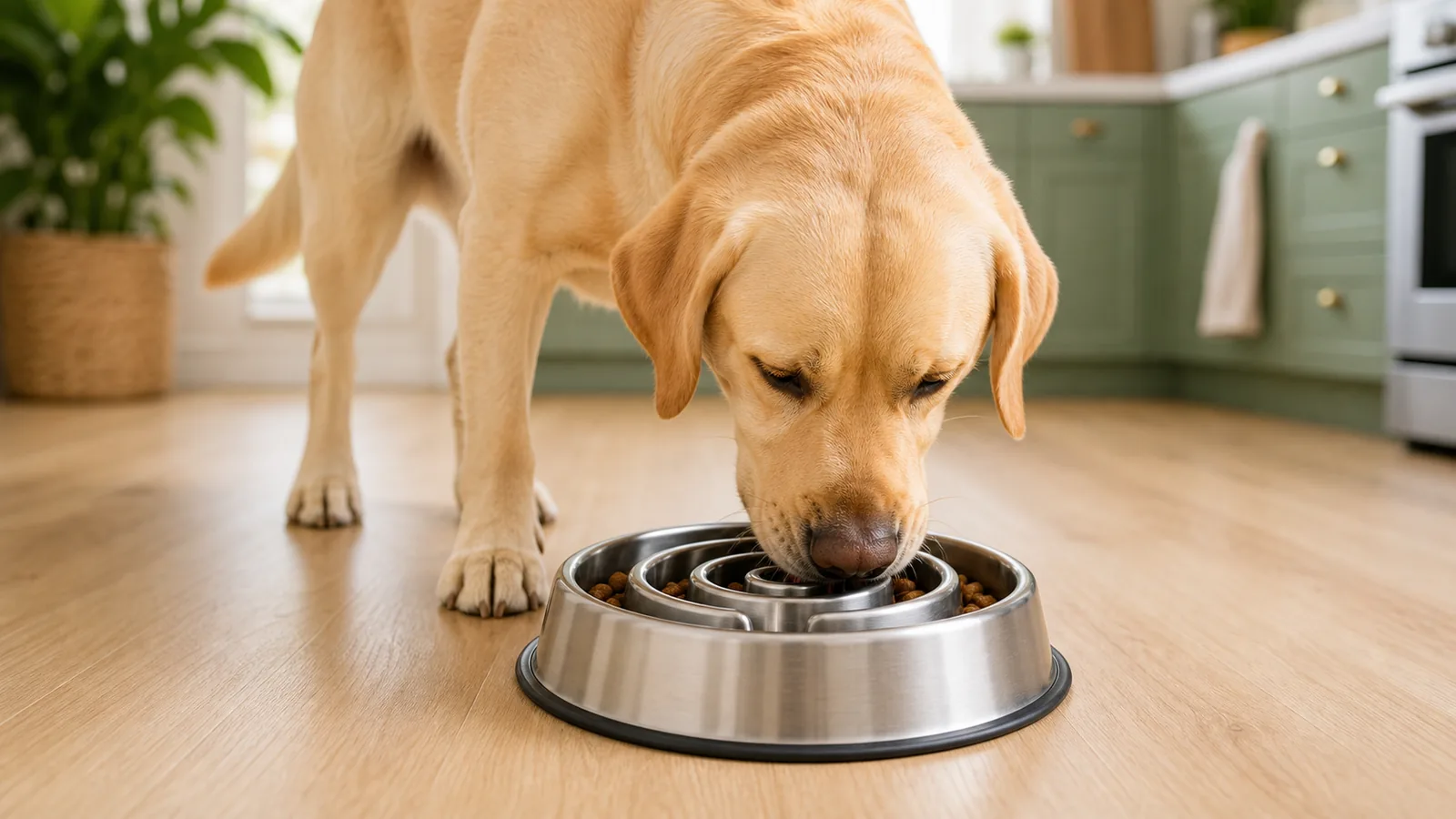
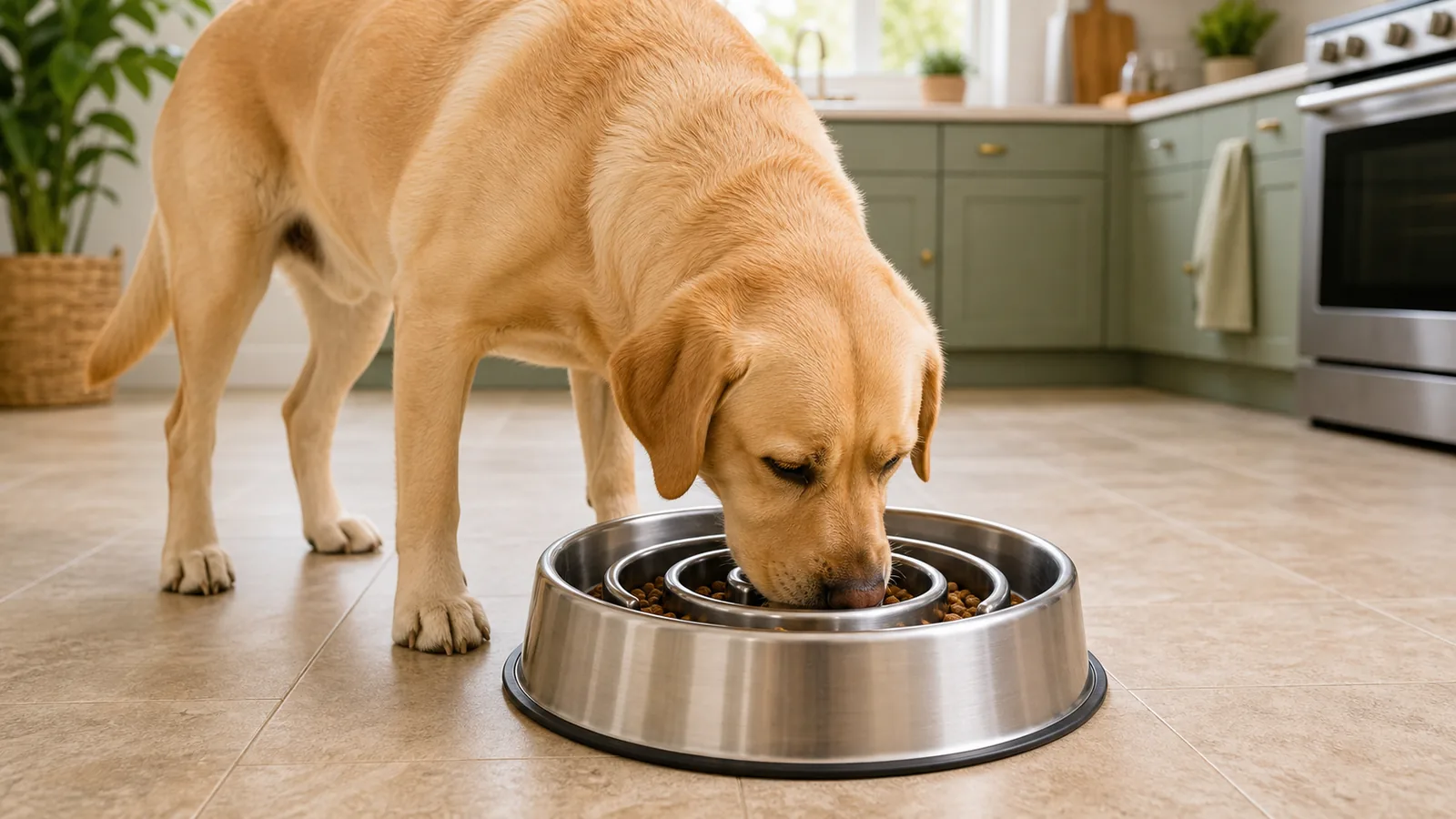
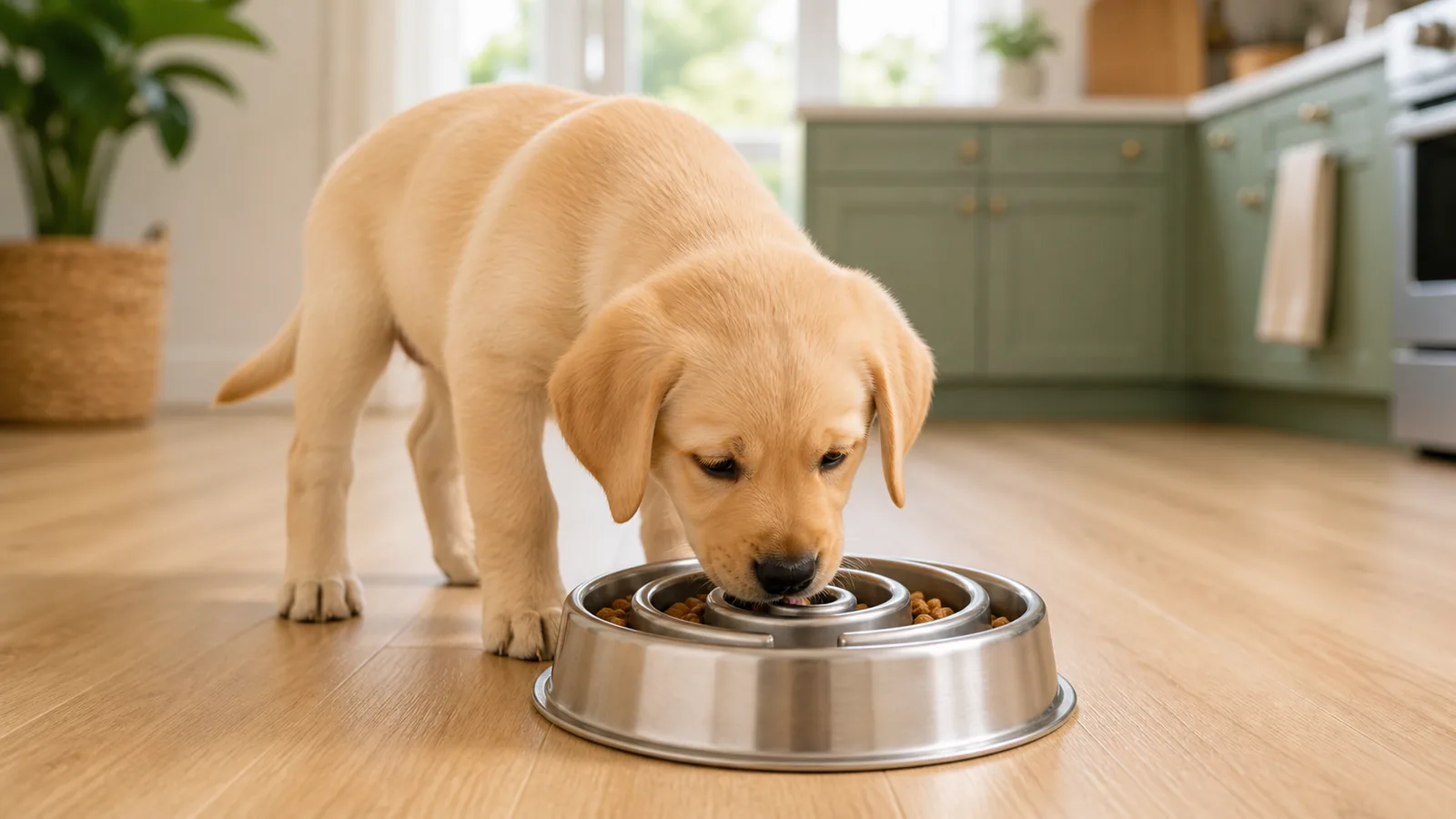
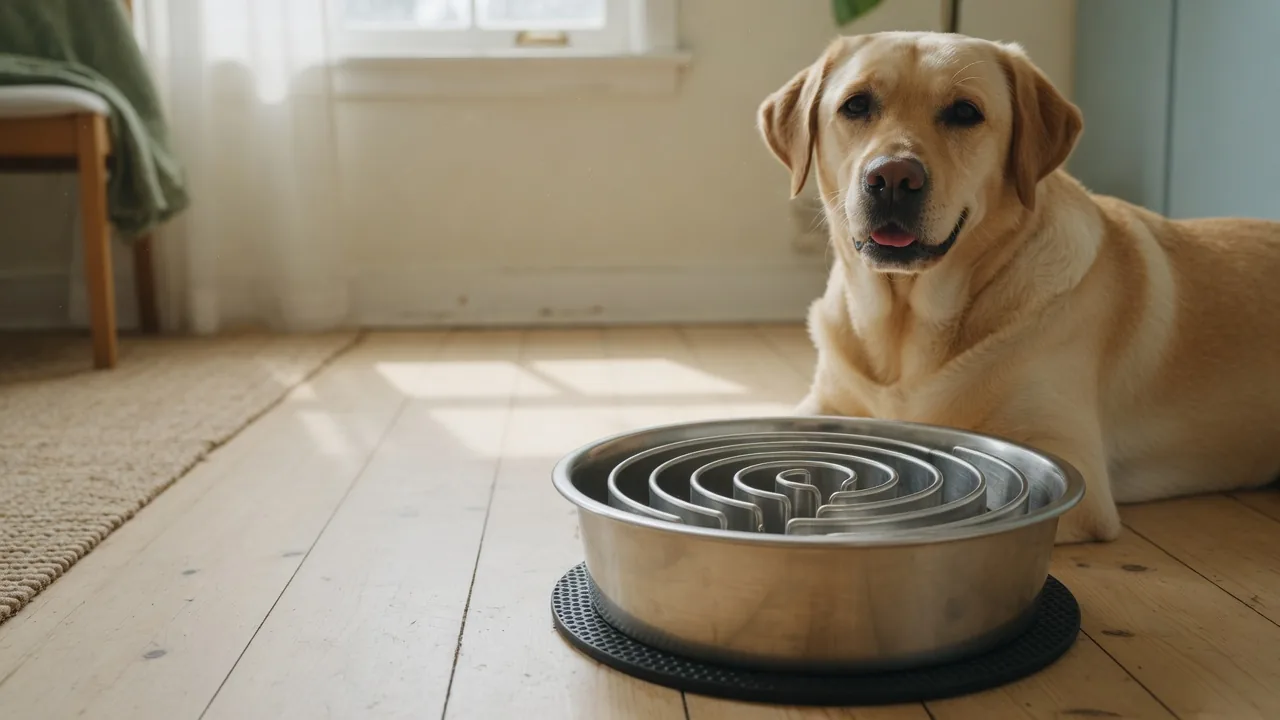
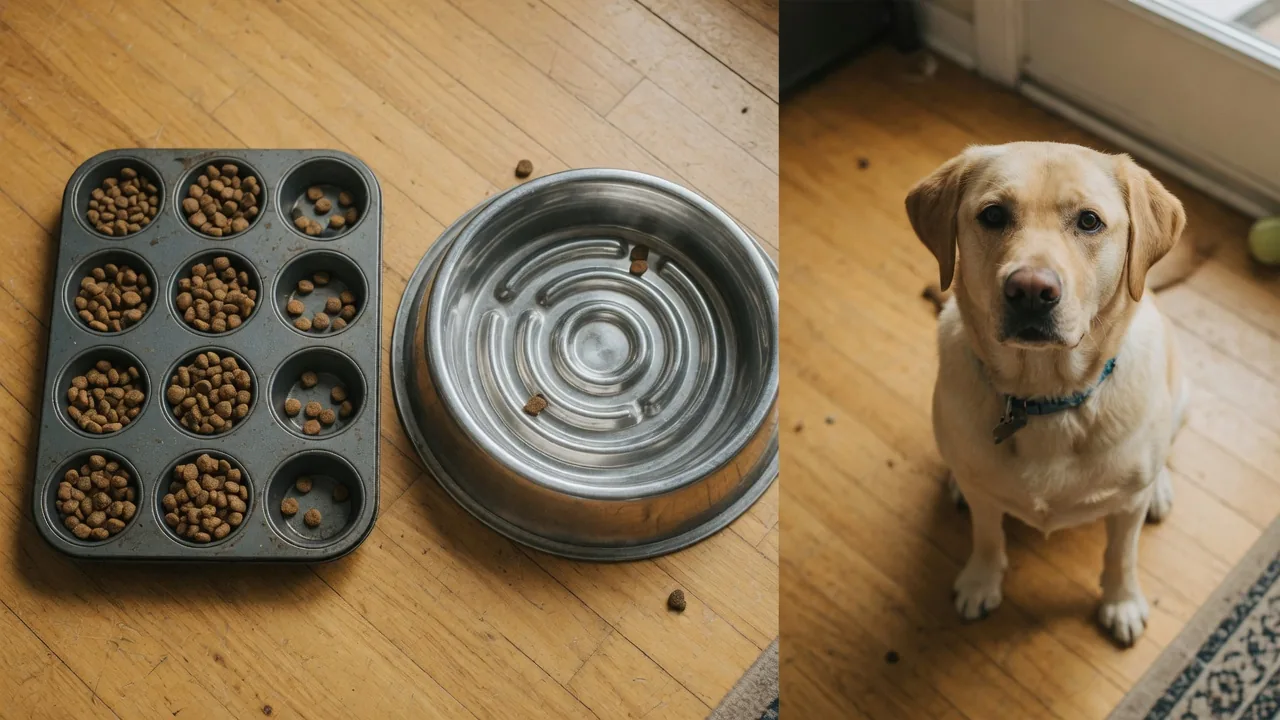
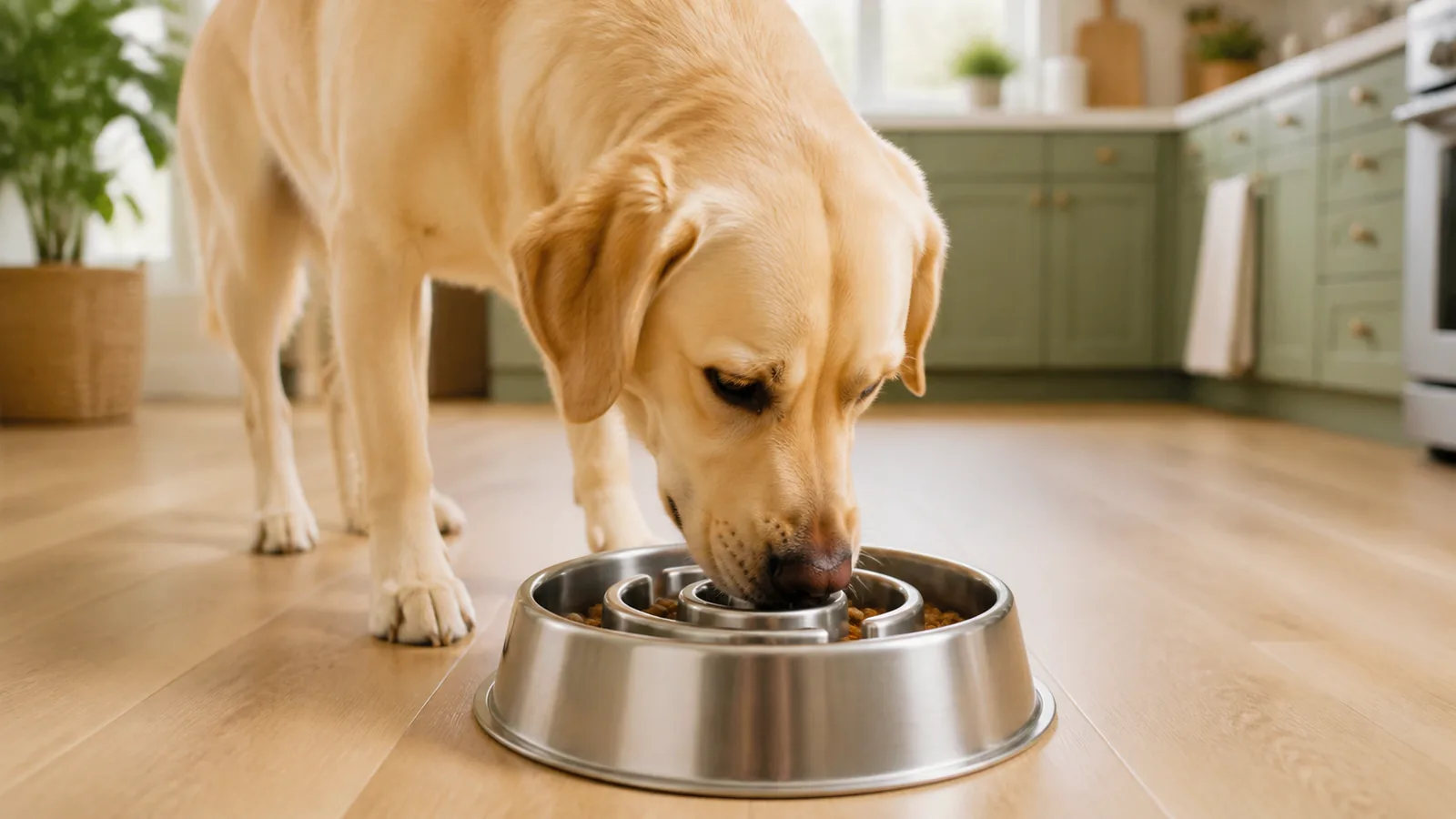
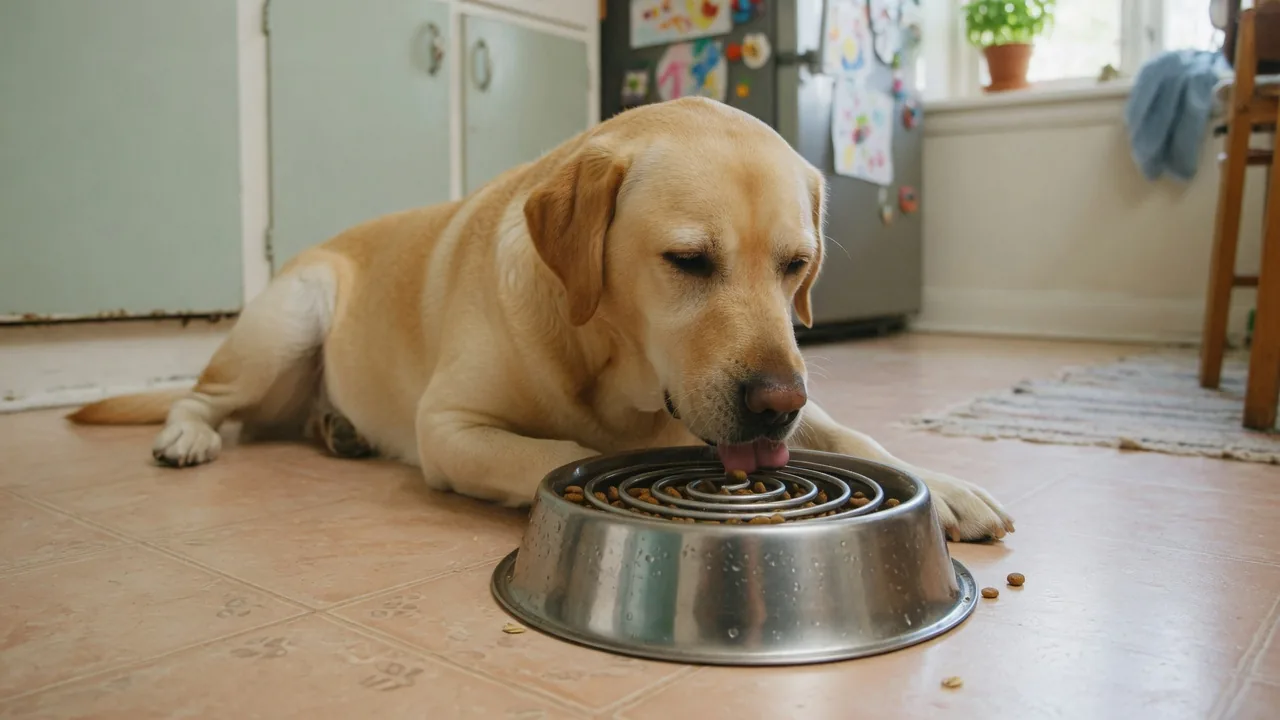
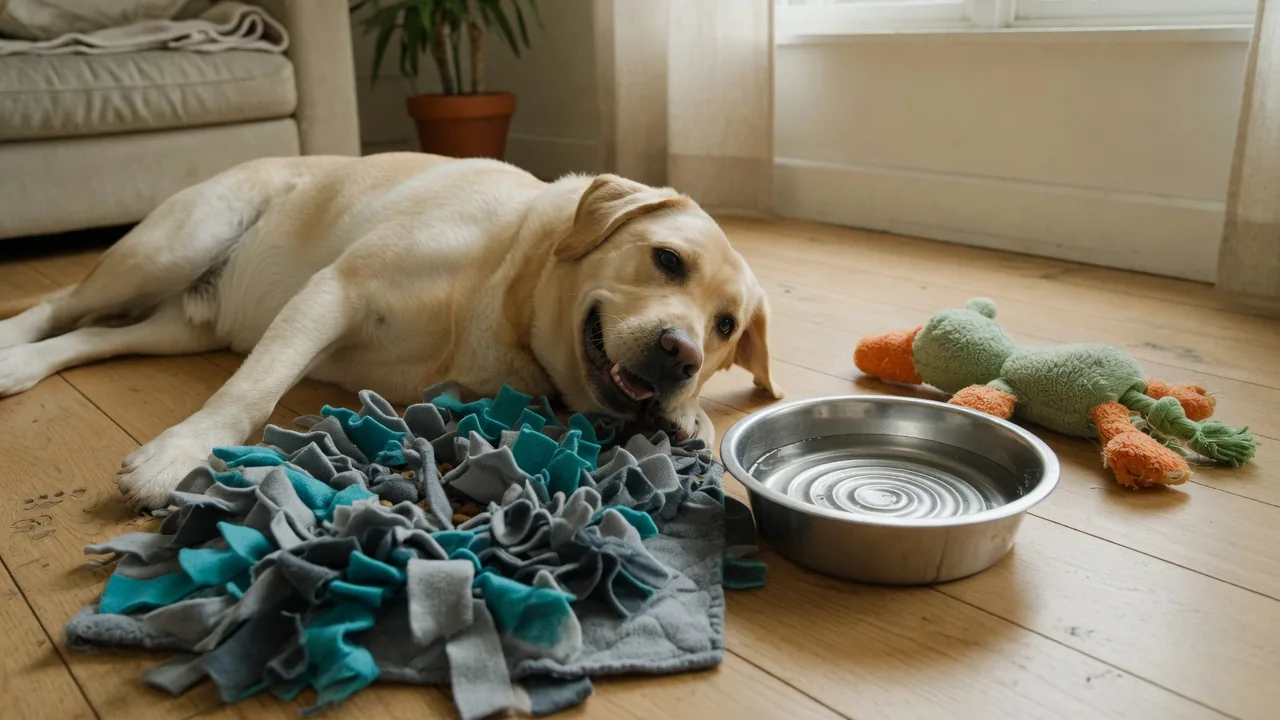
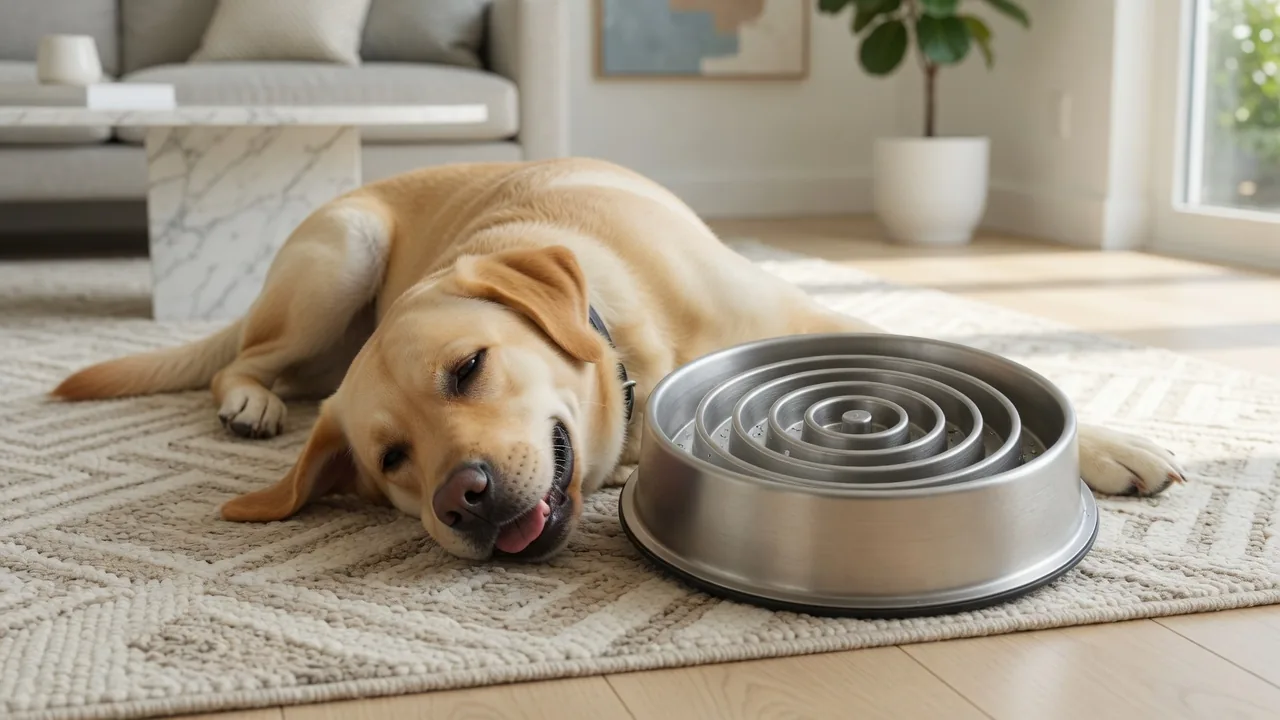
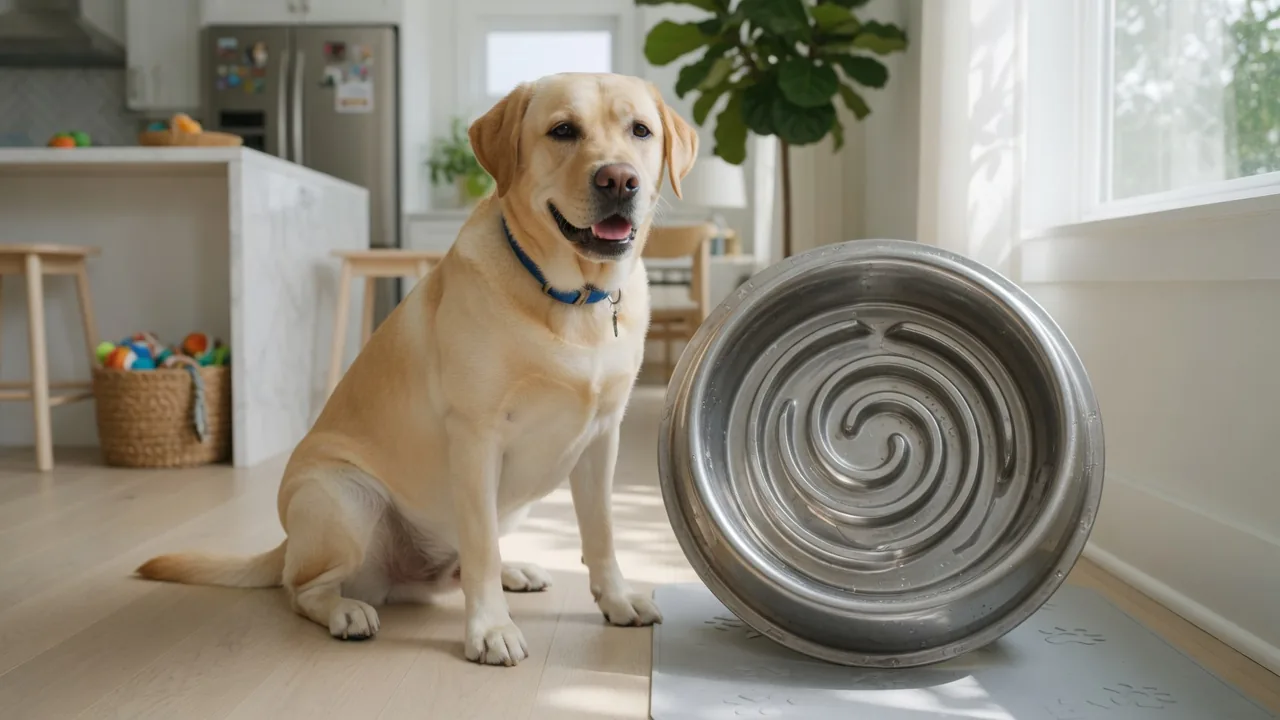
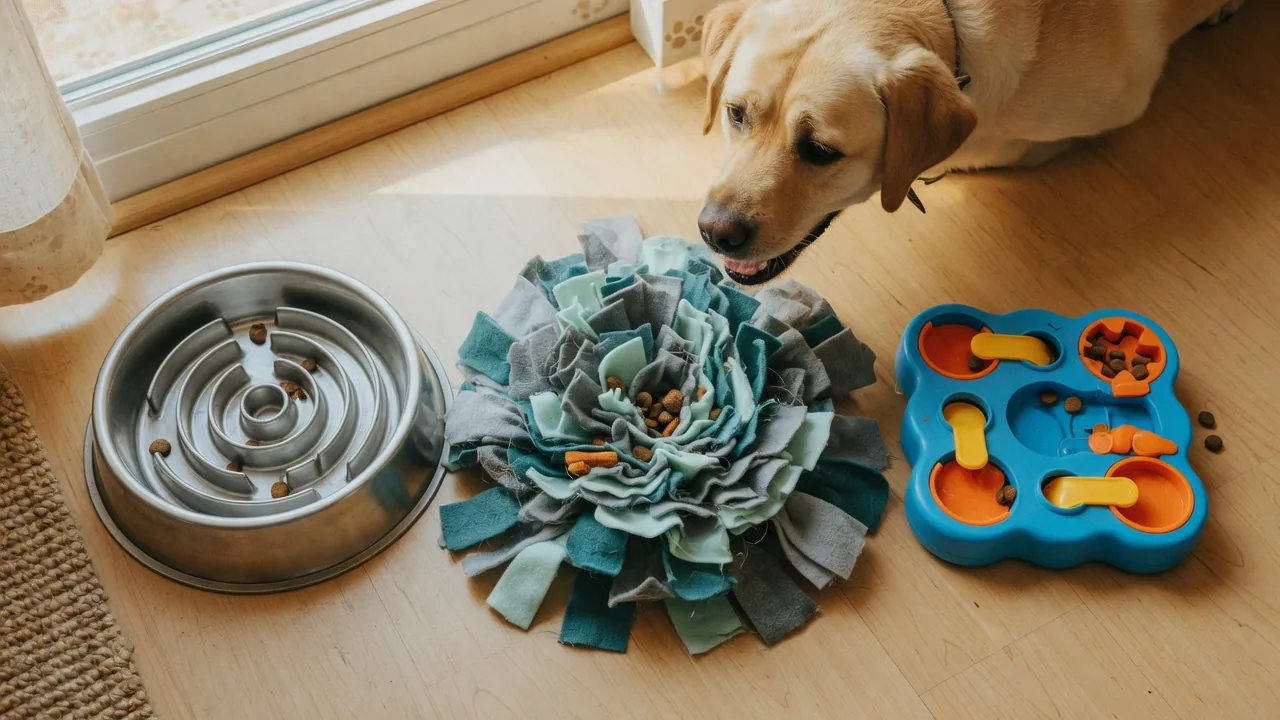
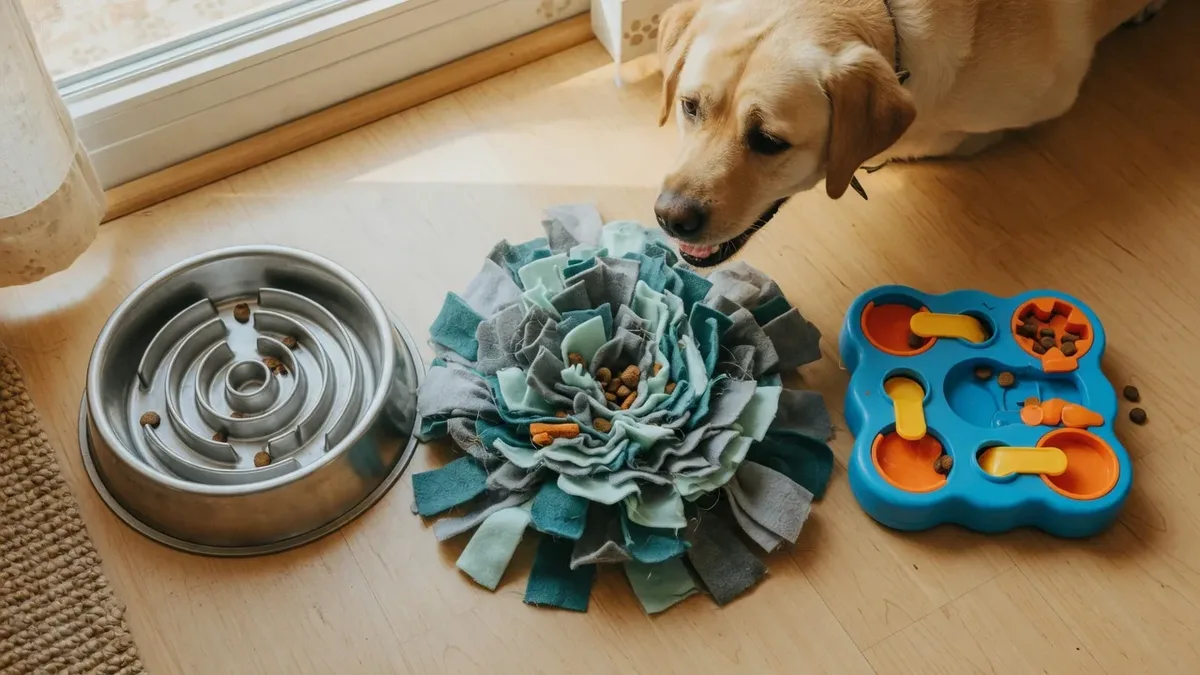
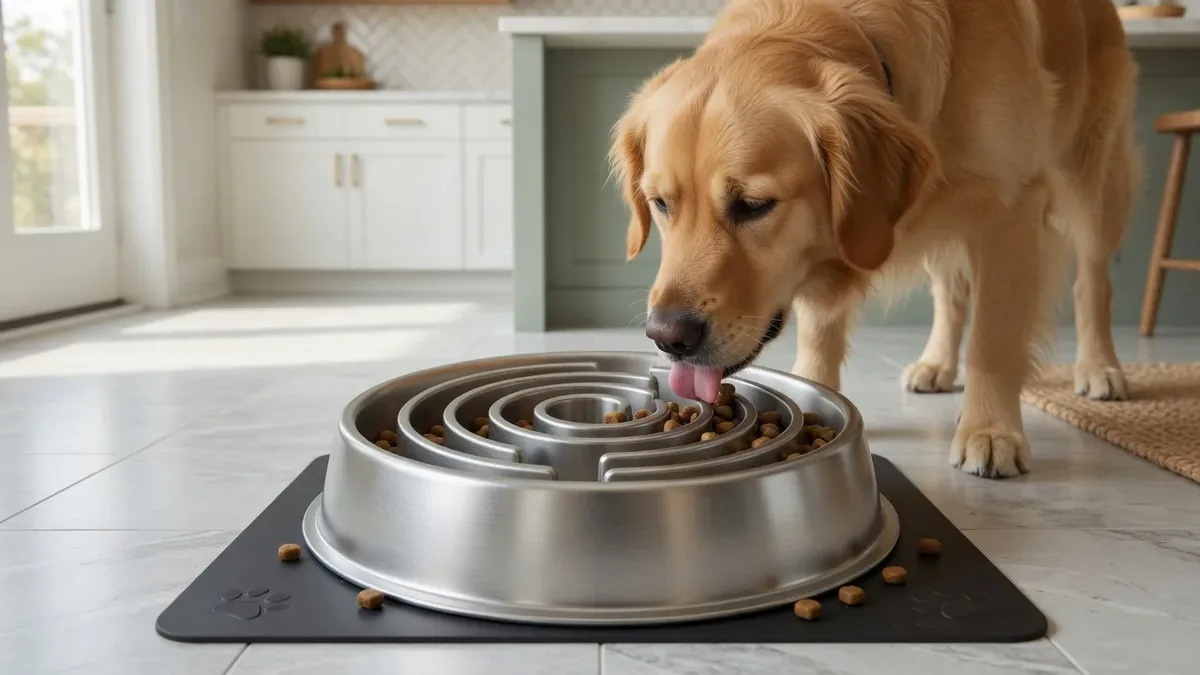
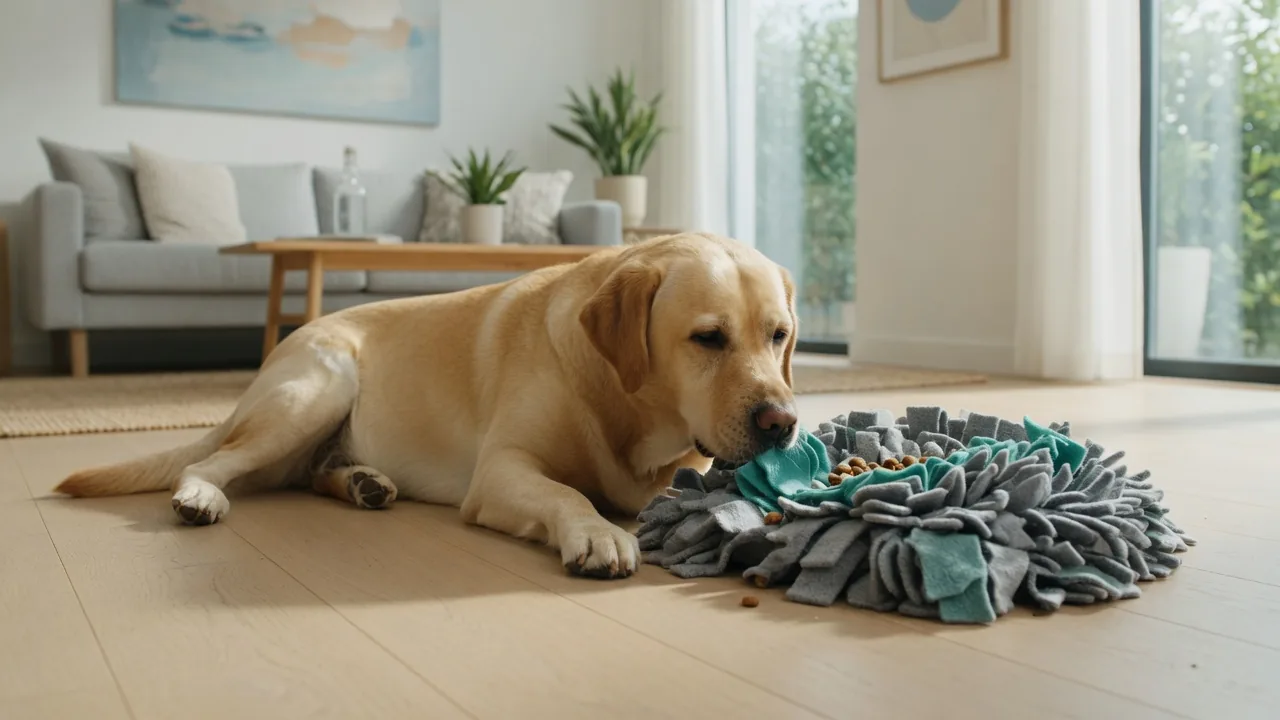
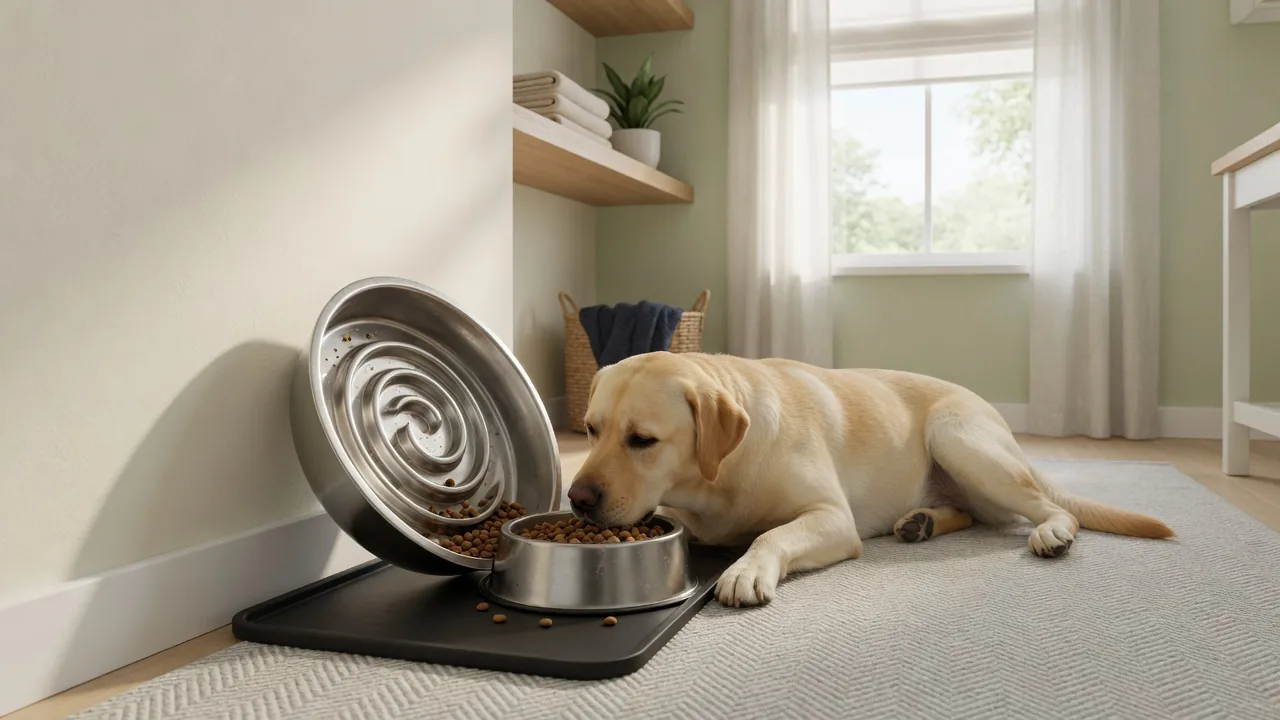
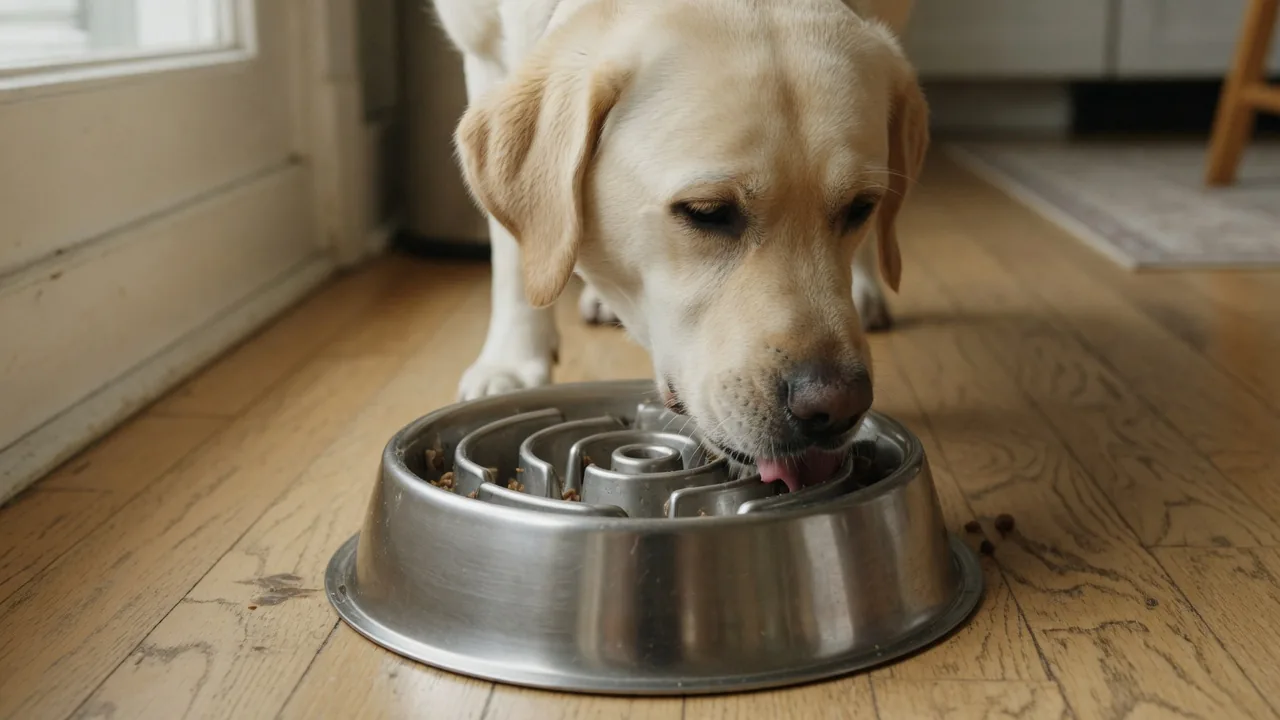
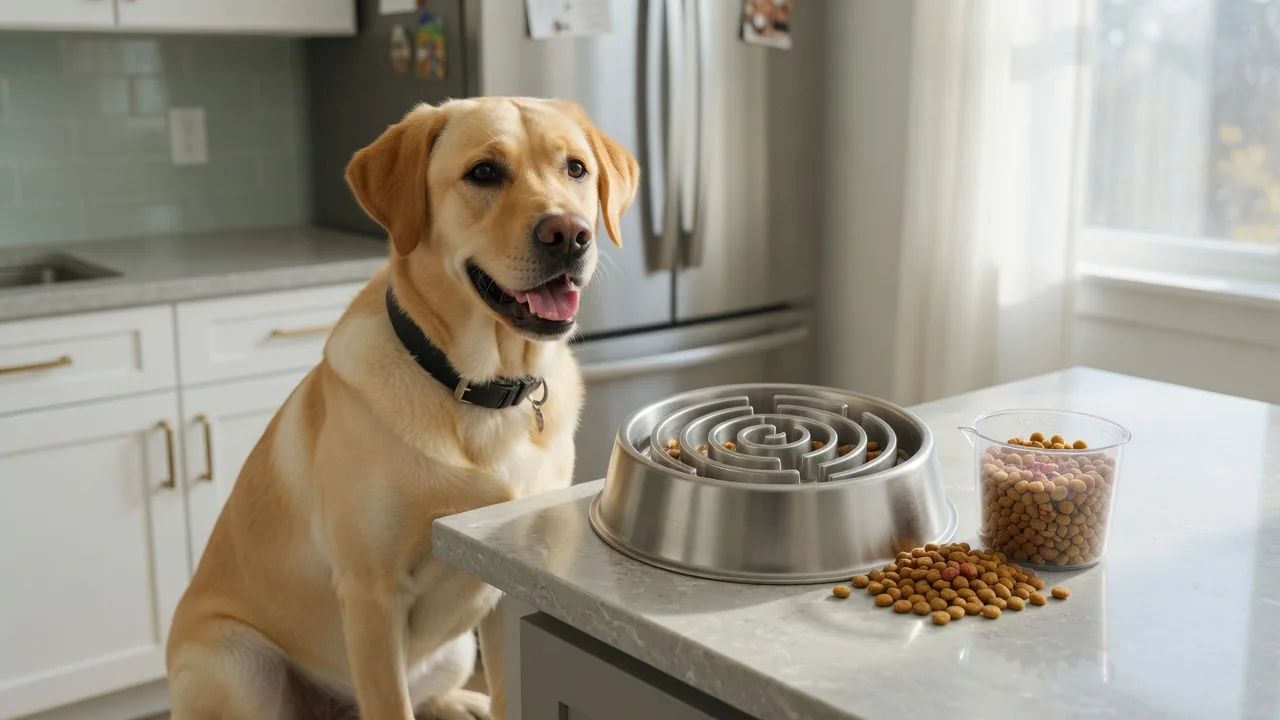
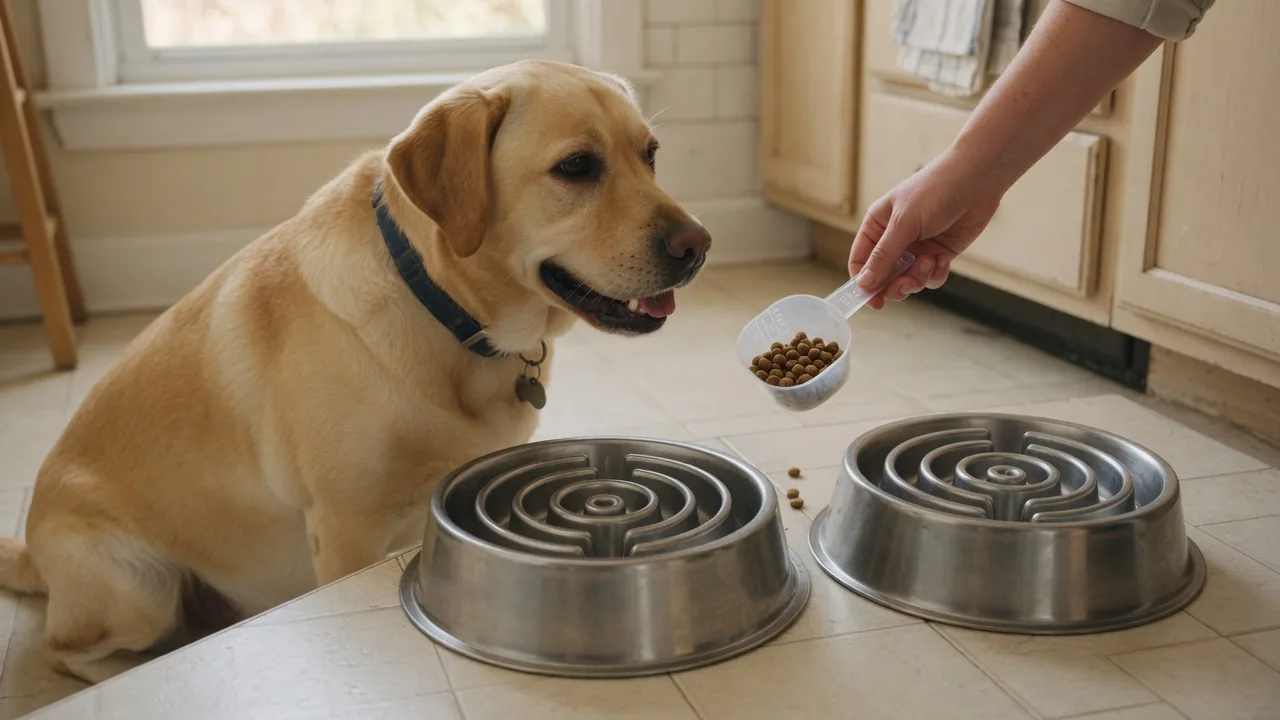
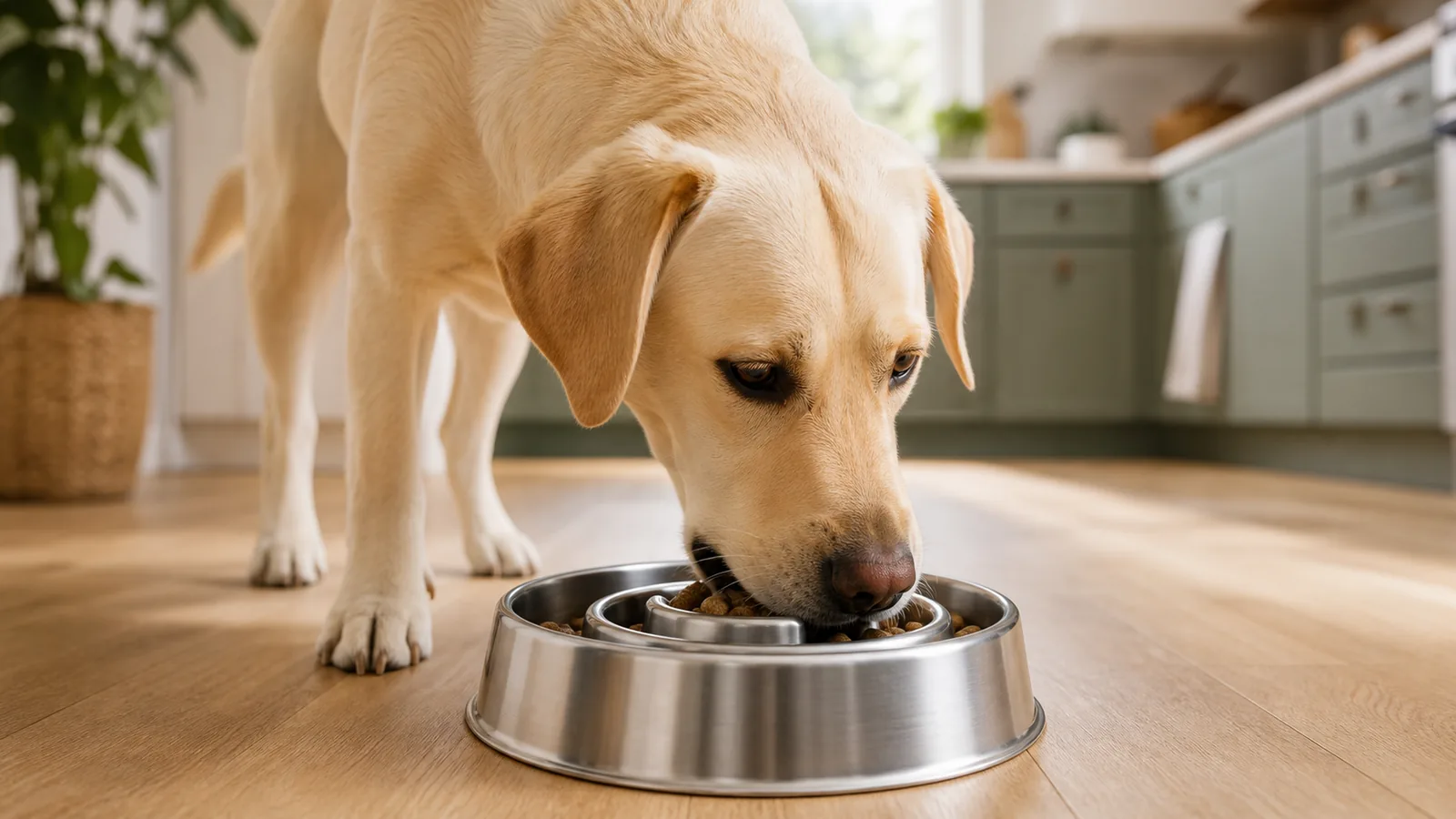
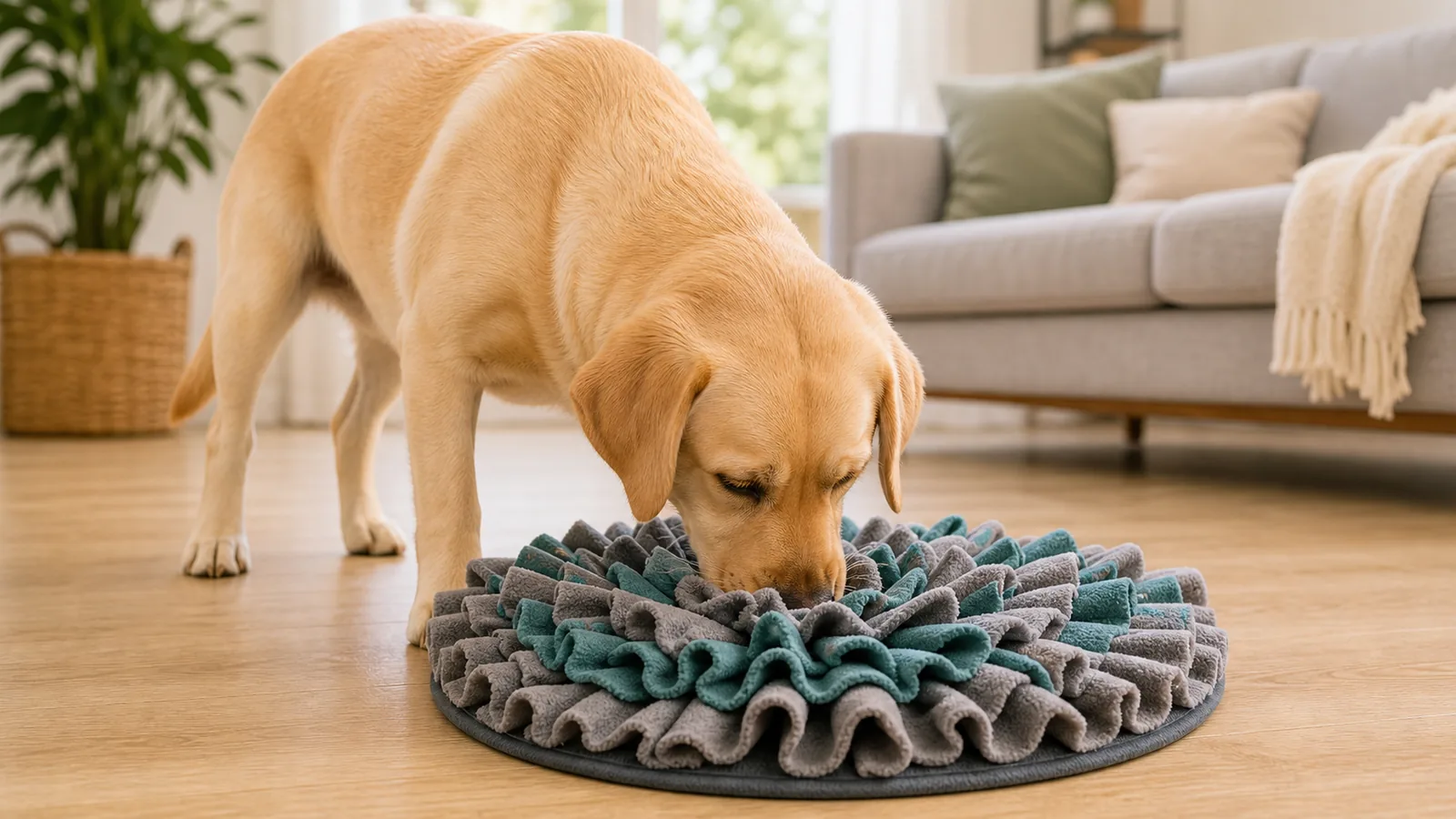
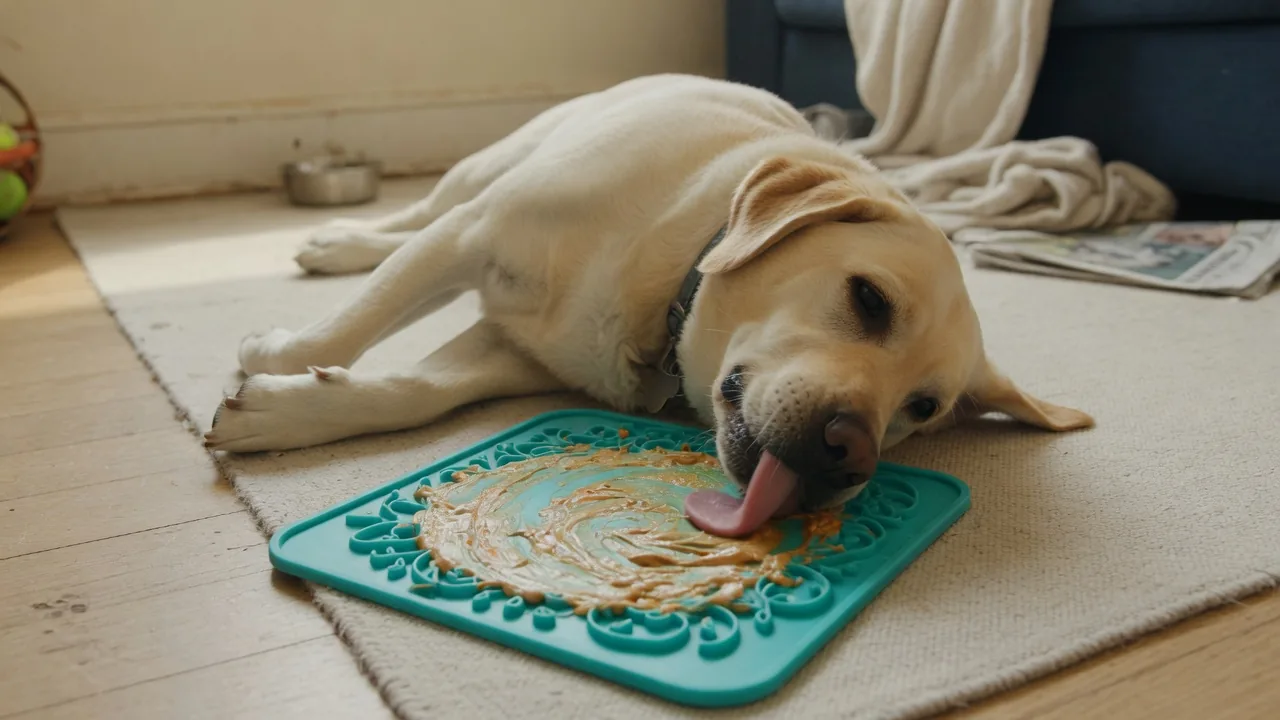
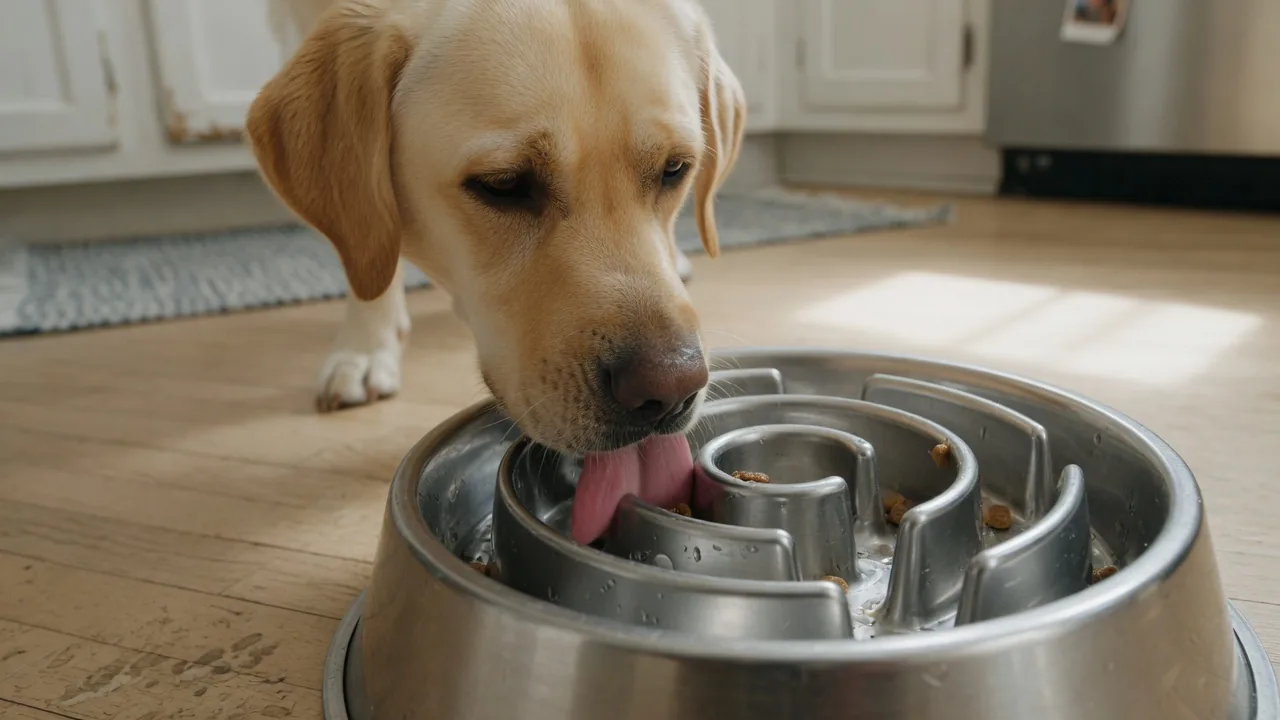
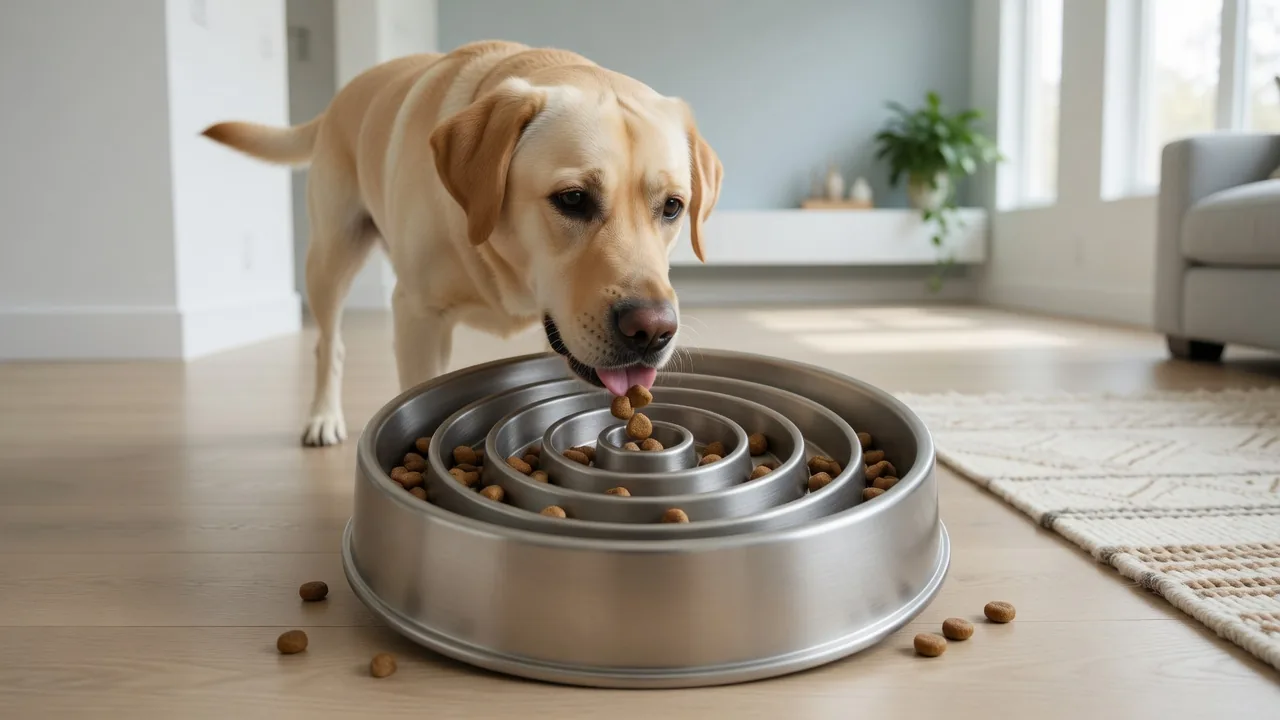
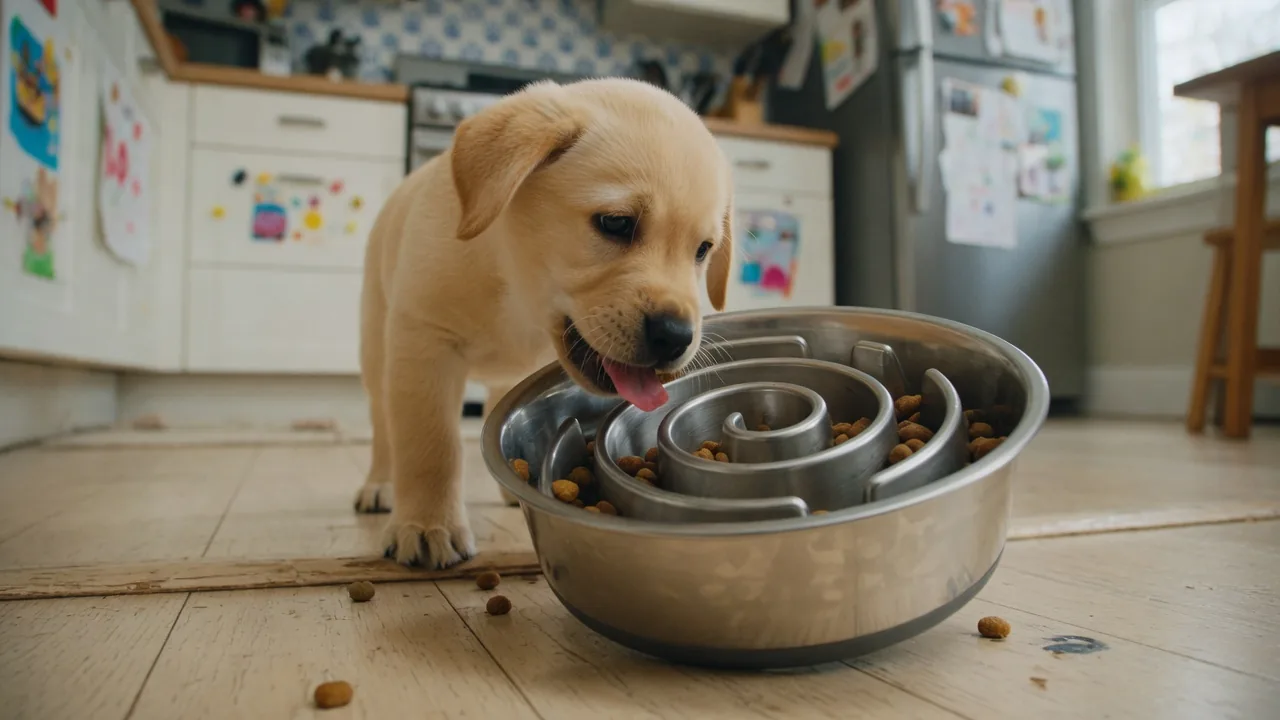
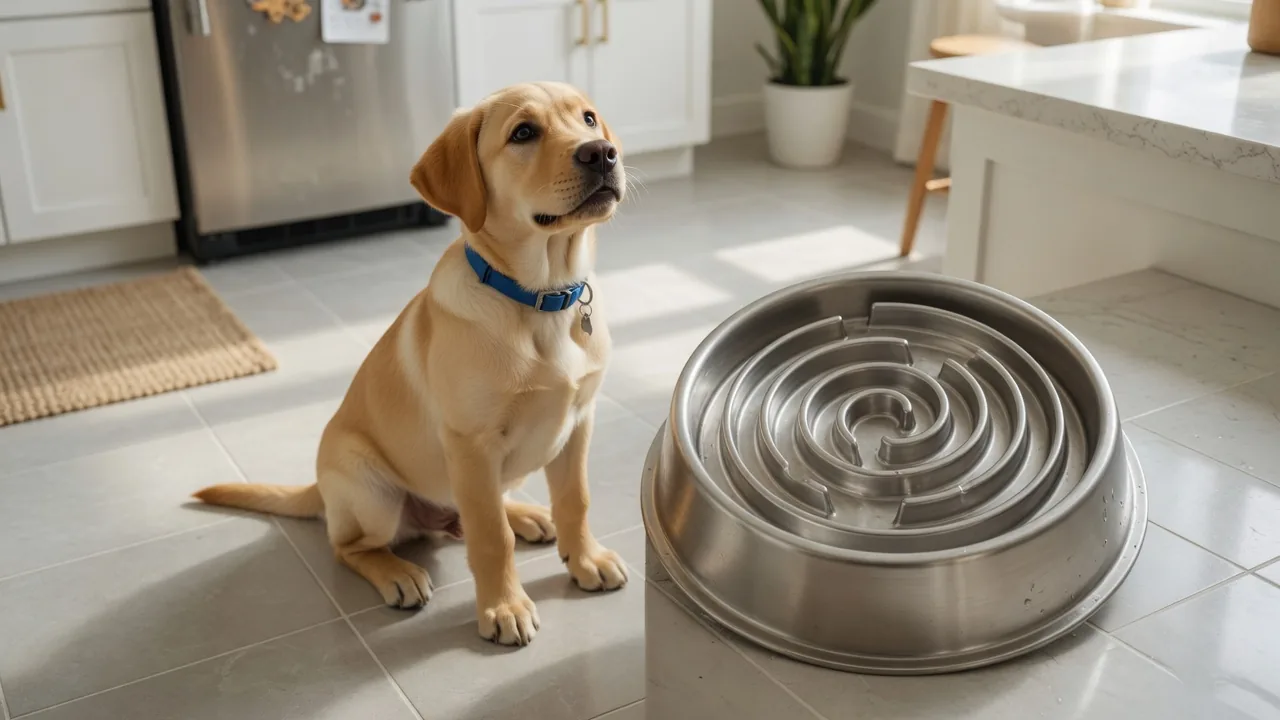
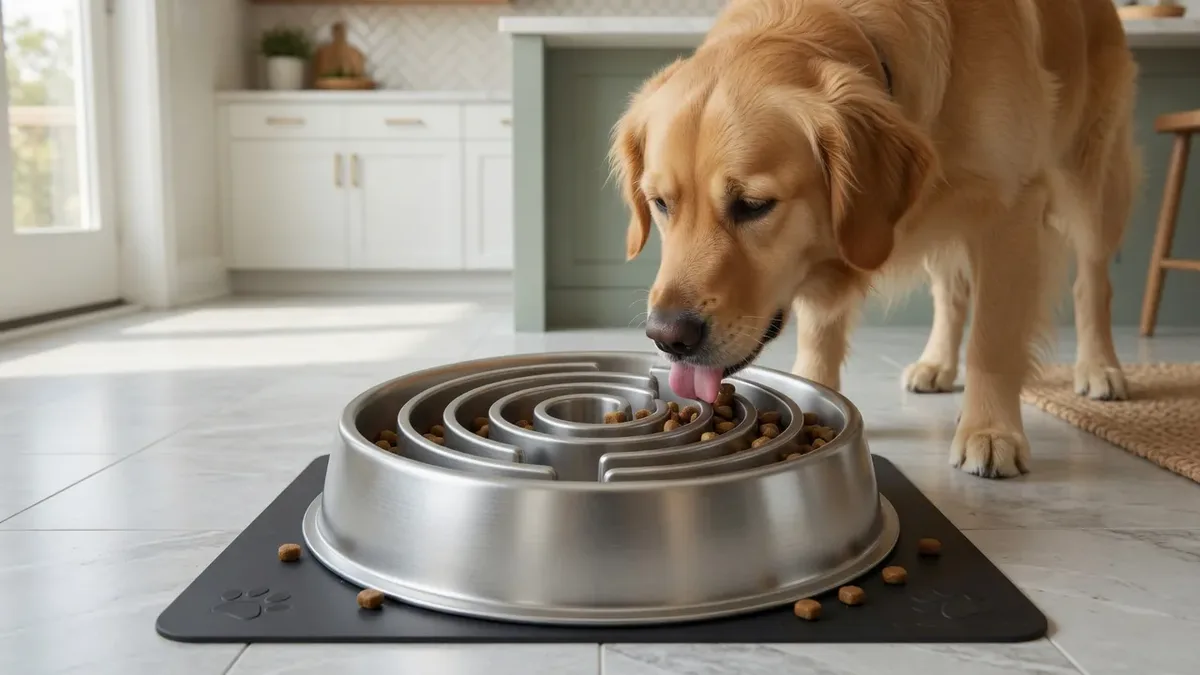
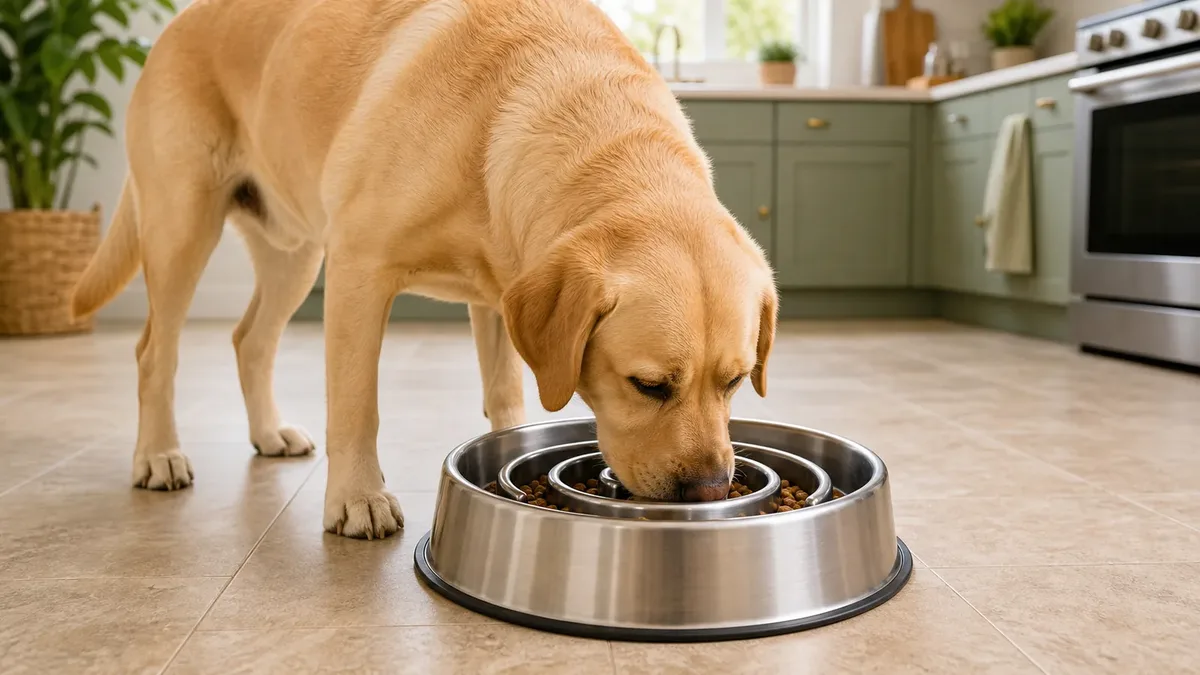
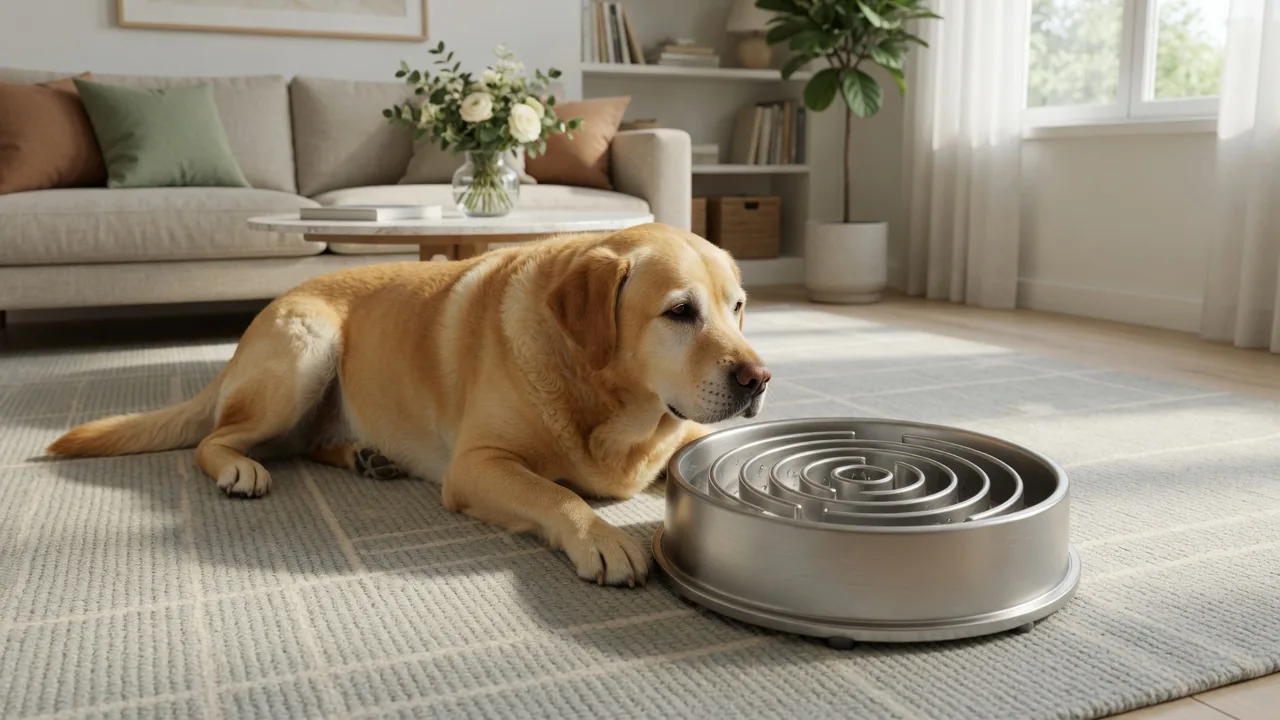
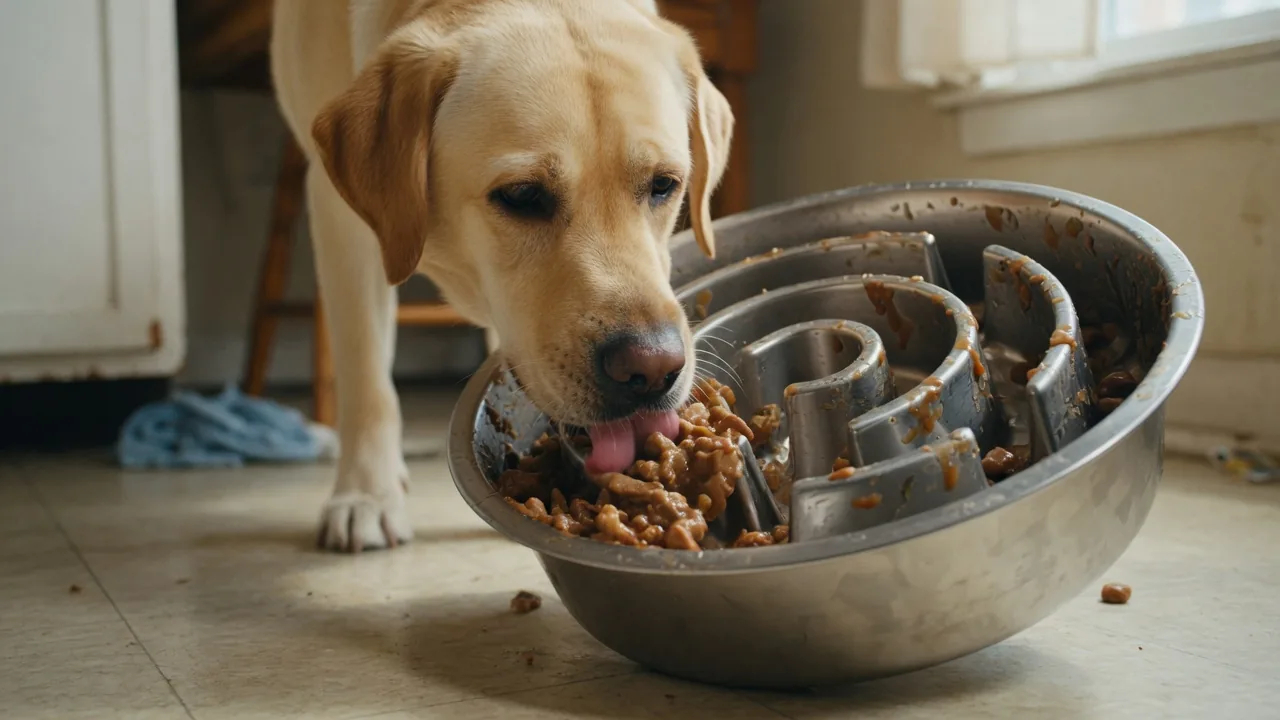
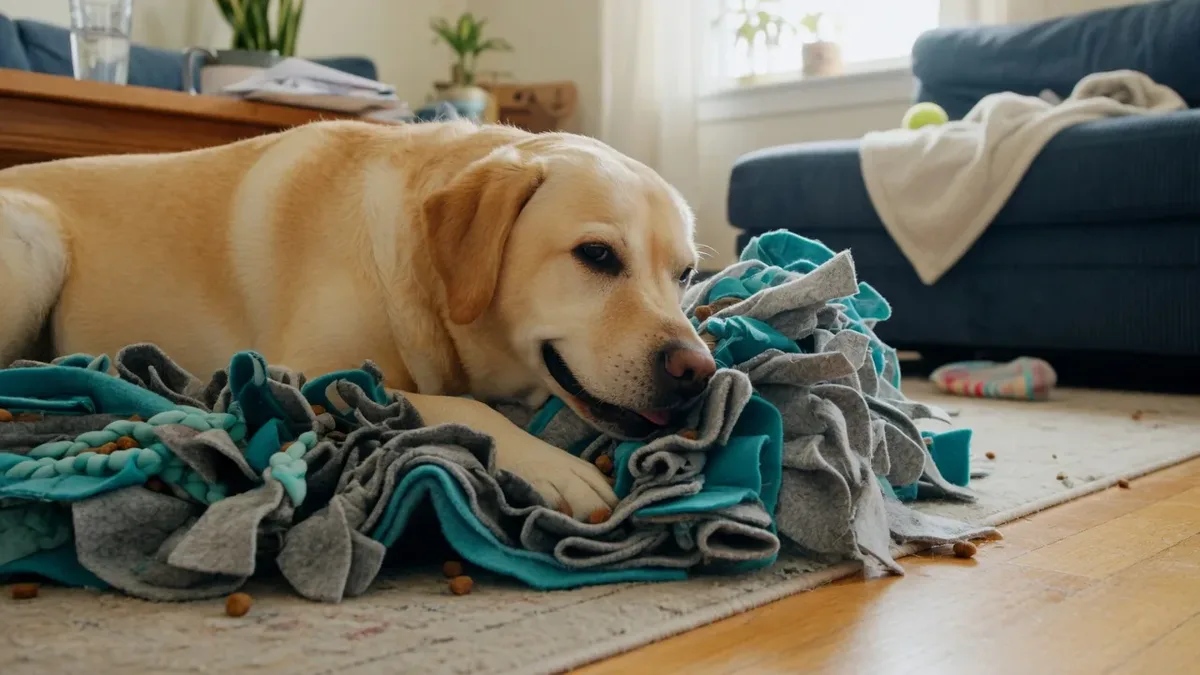
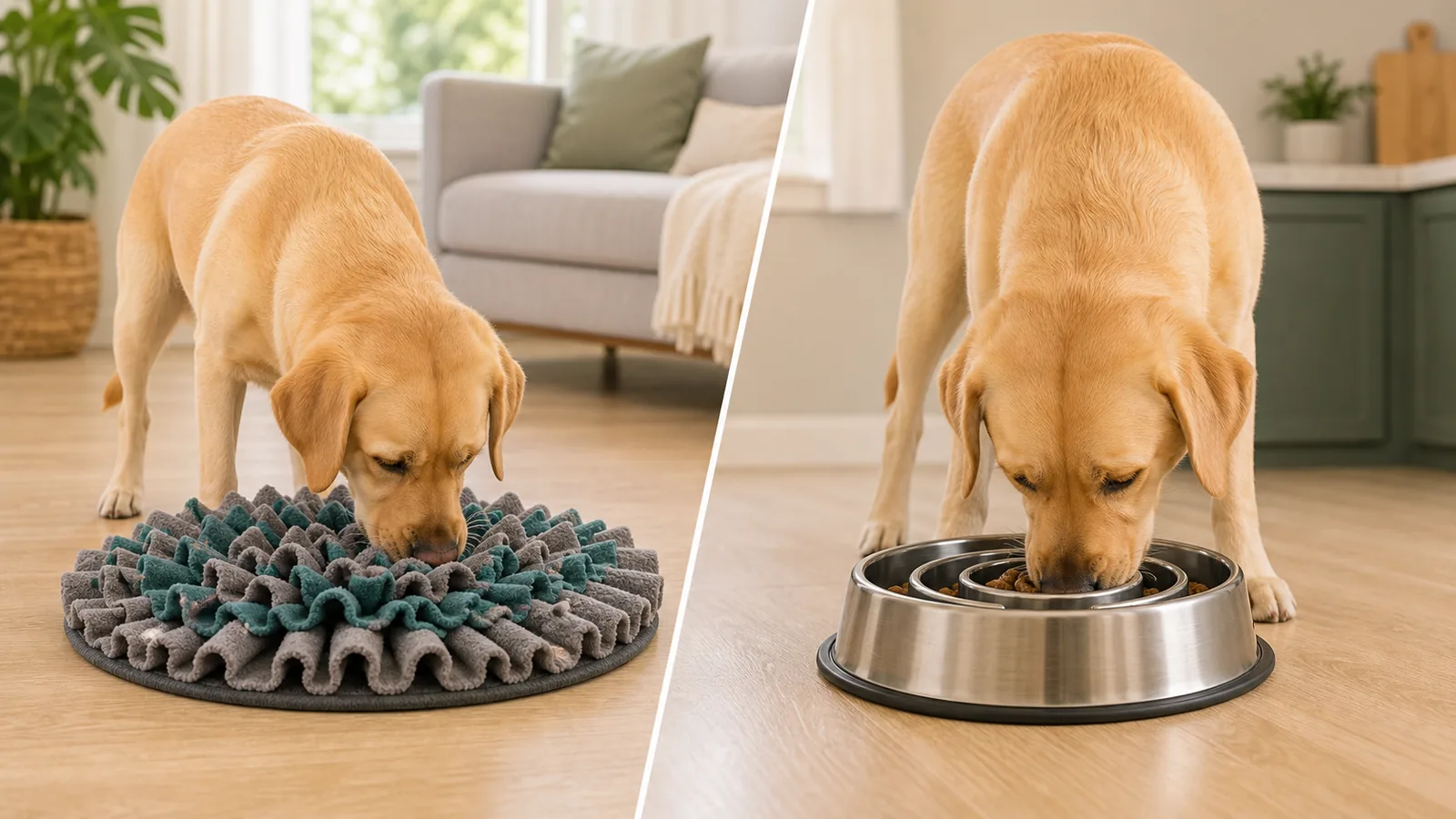
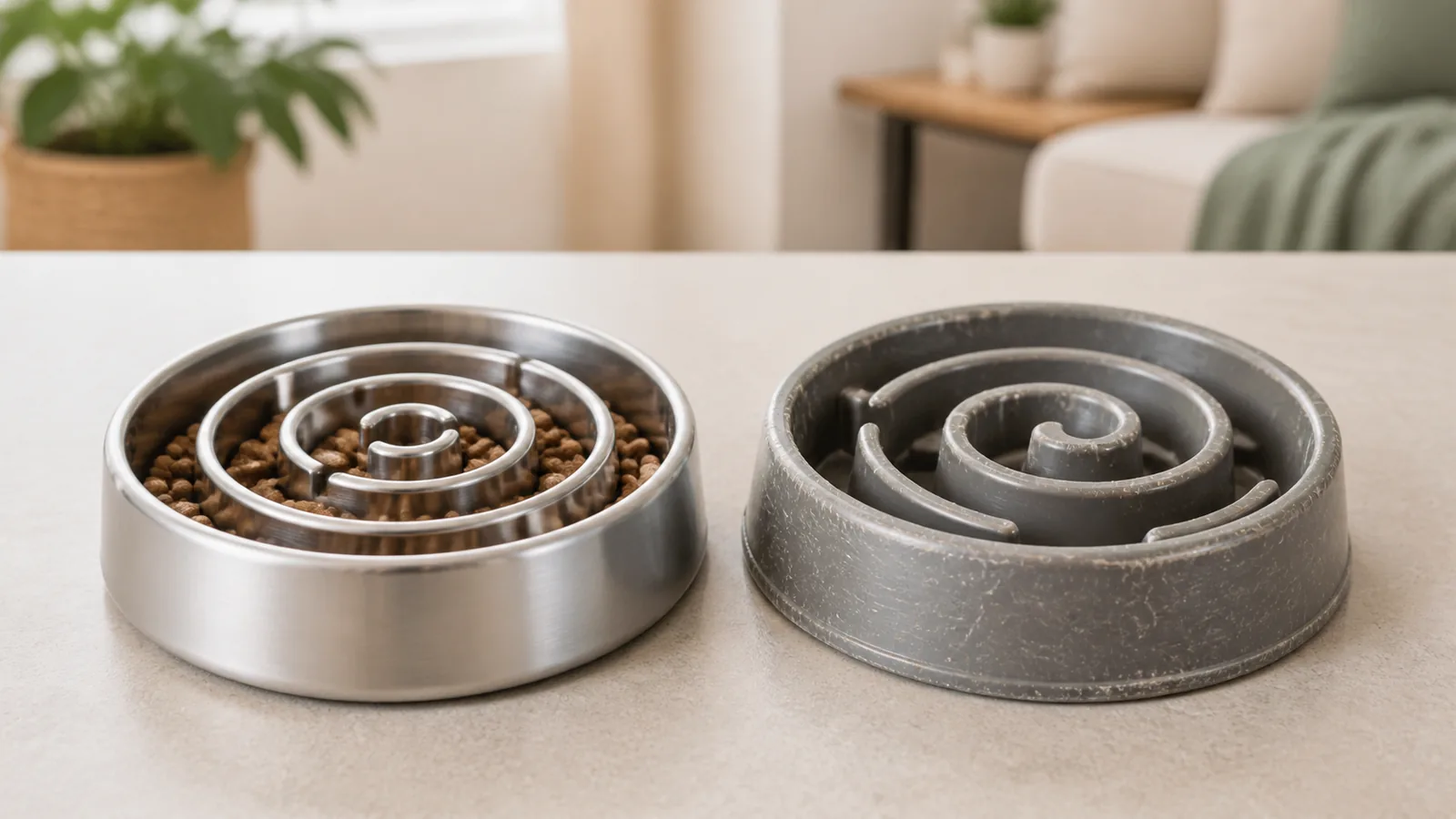
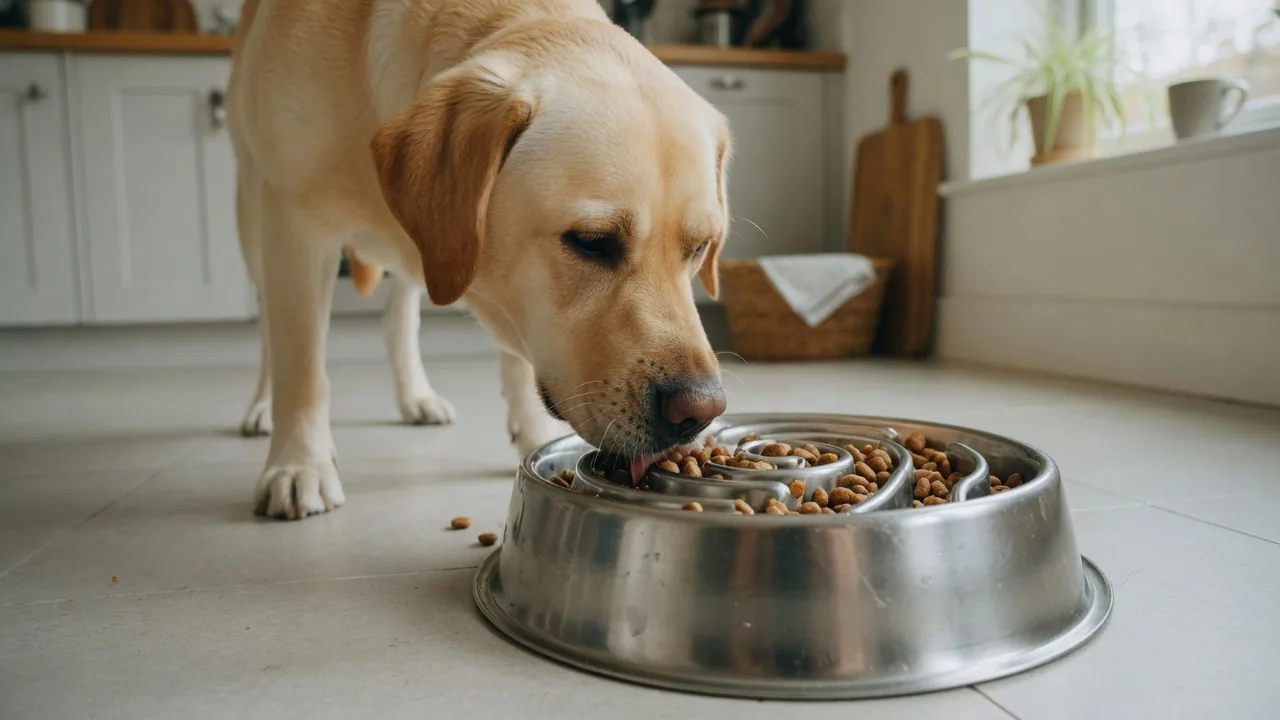
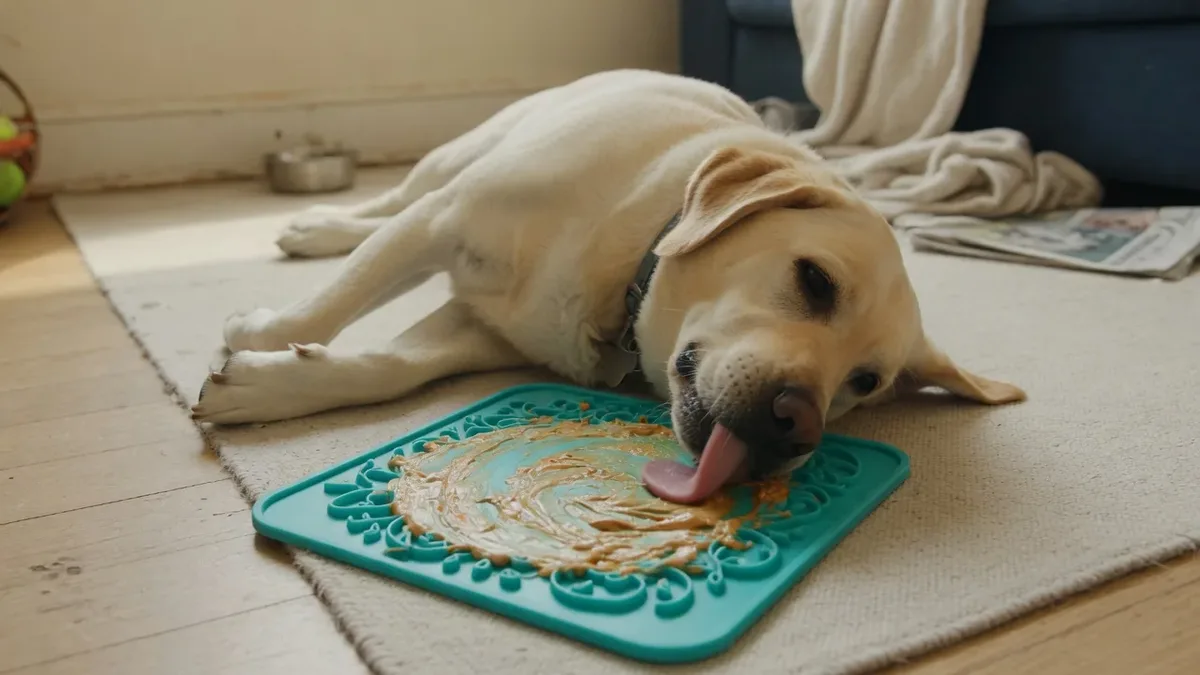
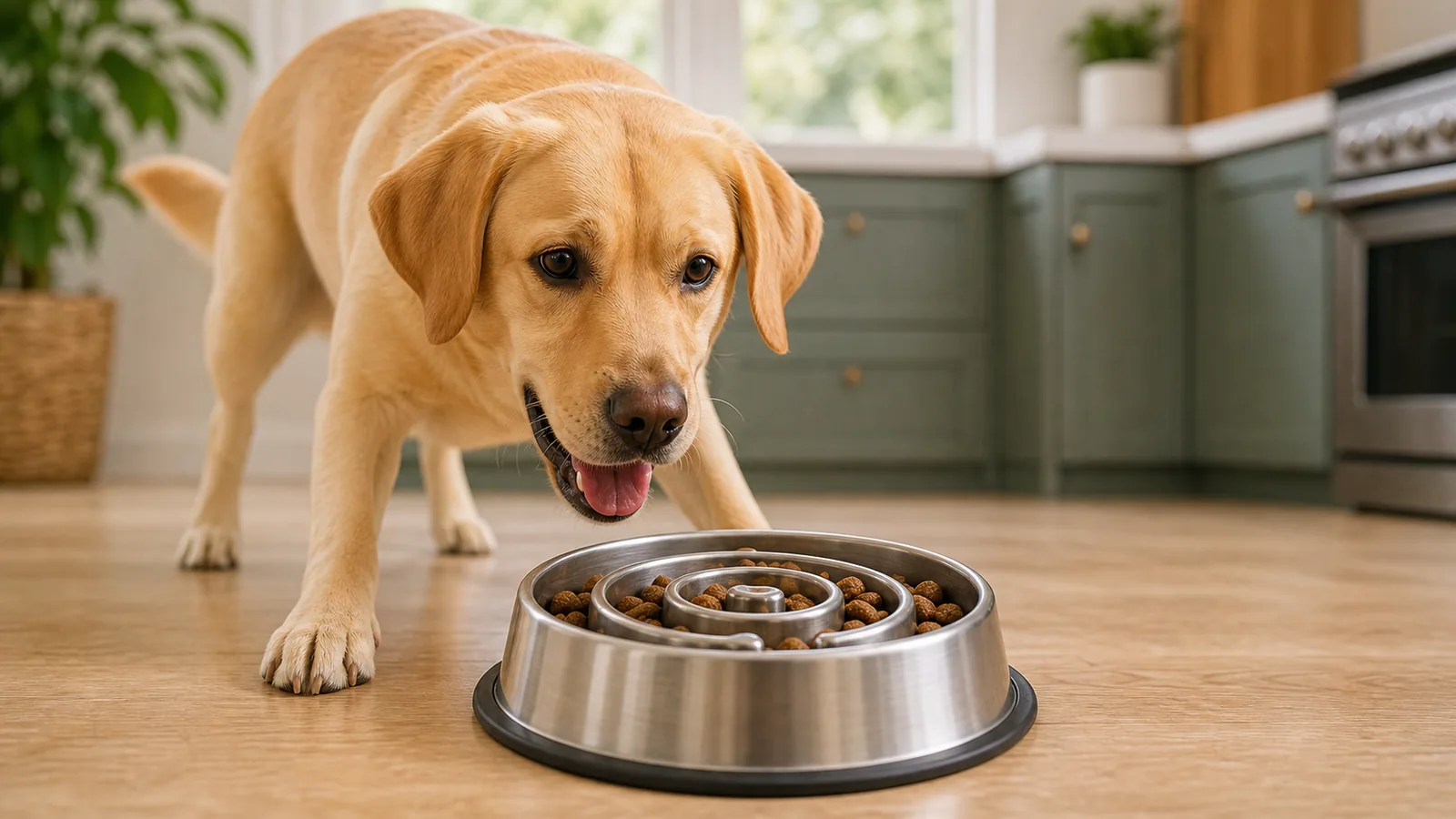
If your dog inhales dinner and then coughs, burps or brings it straight back up, start with the basics of slow feeding — what a maze bowl does to eating speed, and why ten minutes of chewing beats ninety seconds of swallowing. If mealtime is fine but the rest of the day is restless, the enrichment guides are the better entry point: a snuffle mat turns a bowl of kibble into twenty minutes of sniffing work, which tires a dog in a way a walk often doesn't.
Breed-specific picks
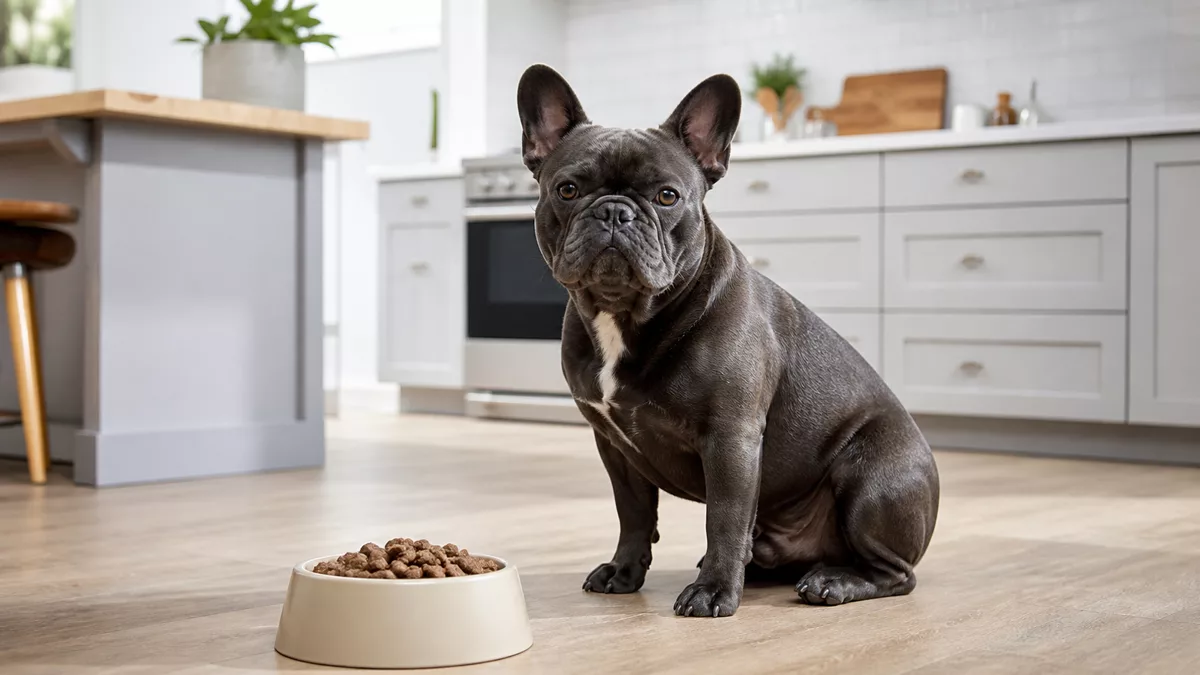
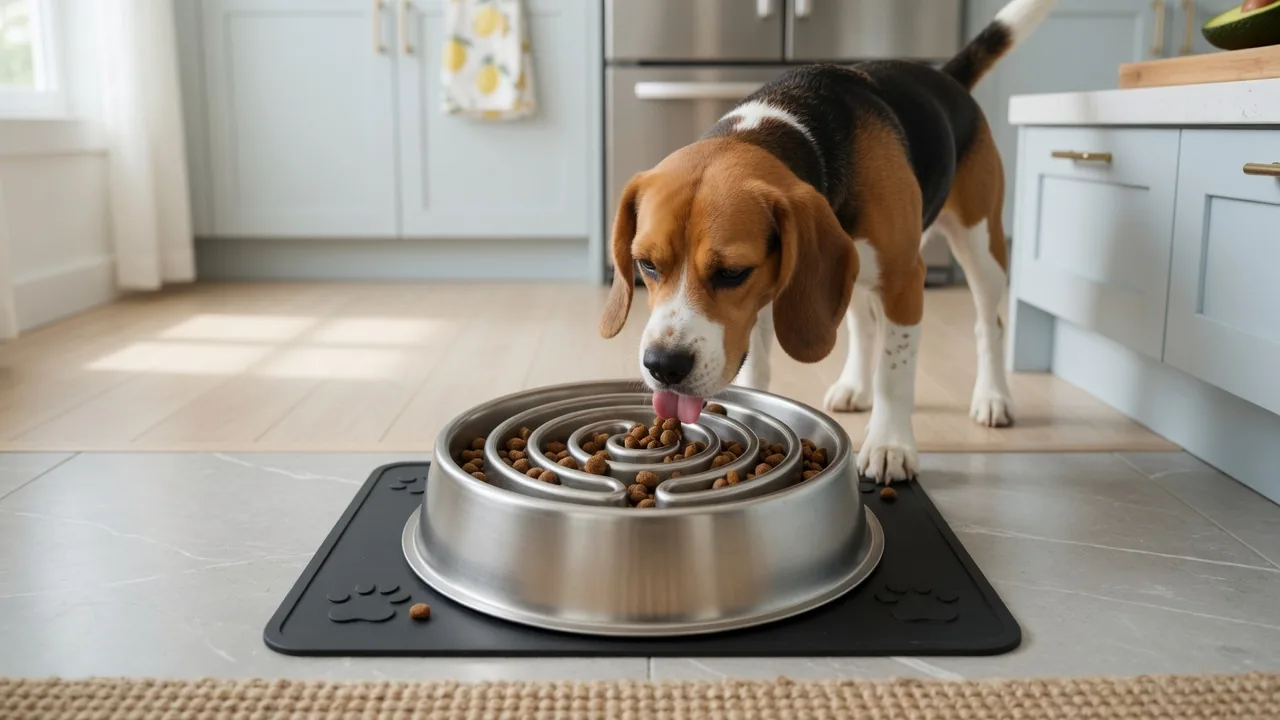
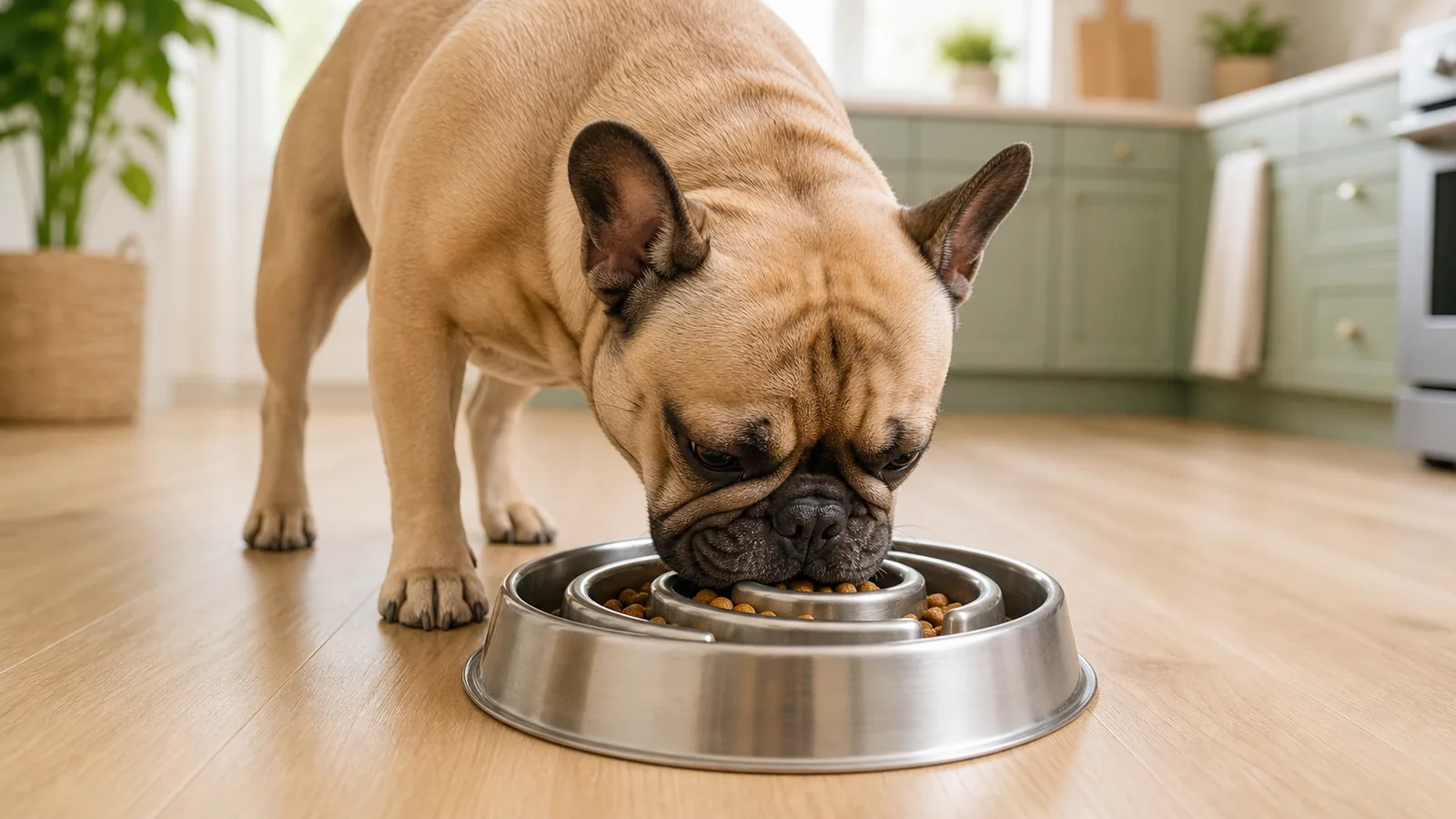
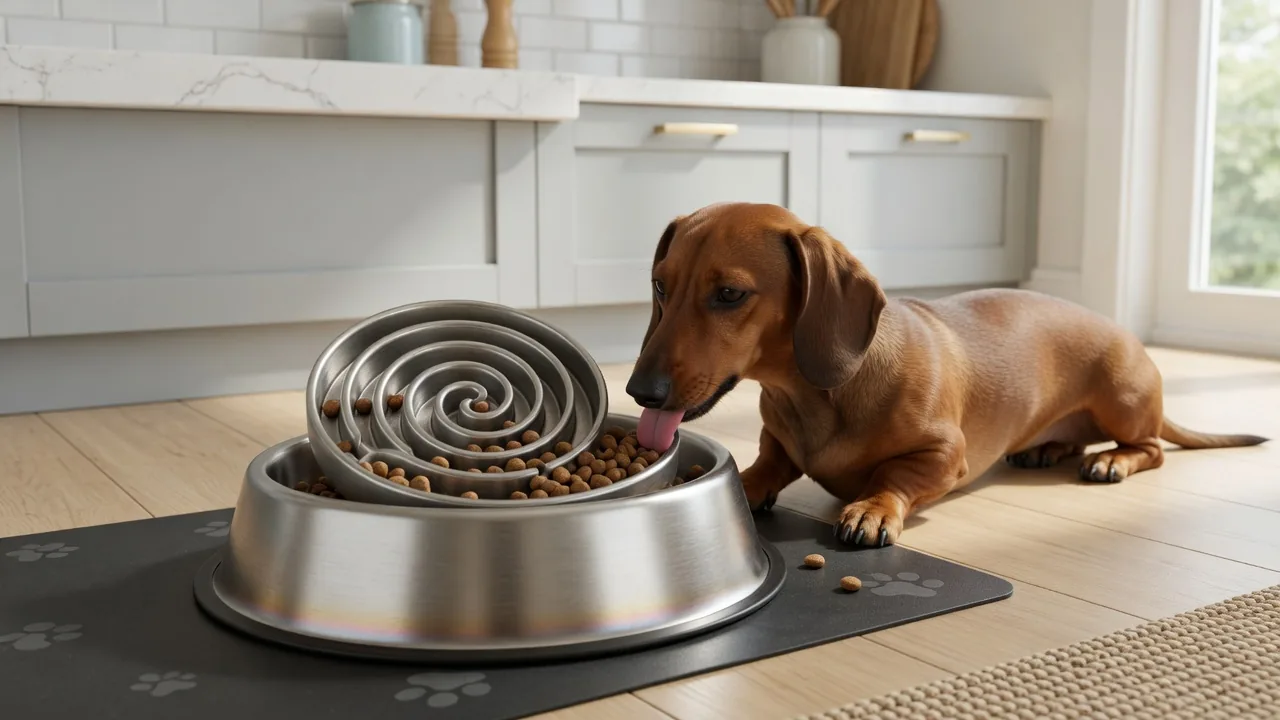
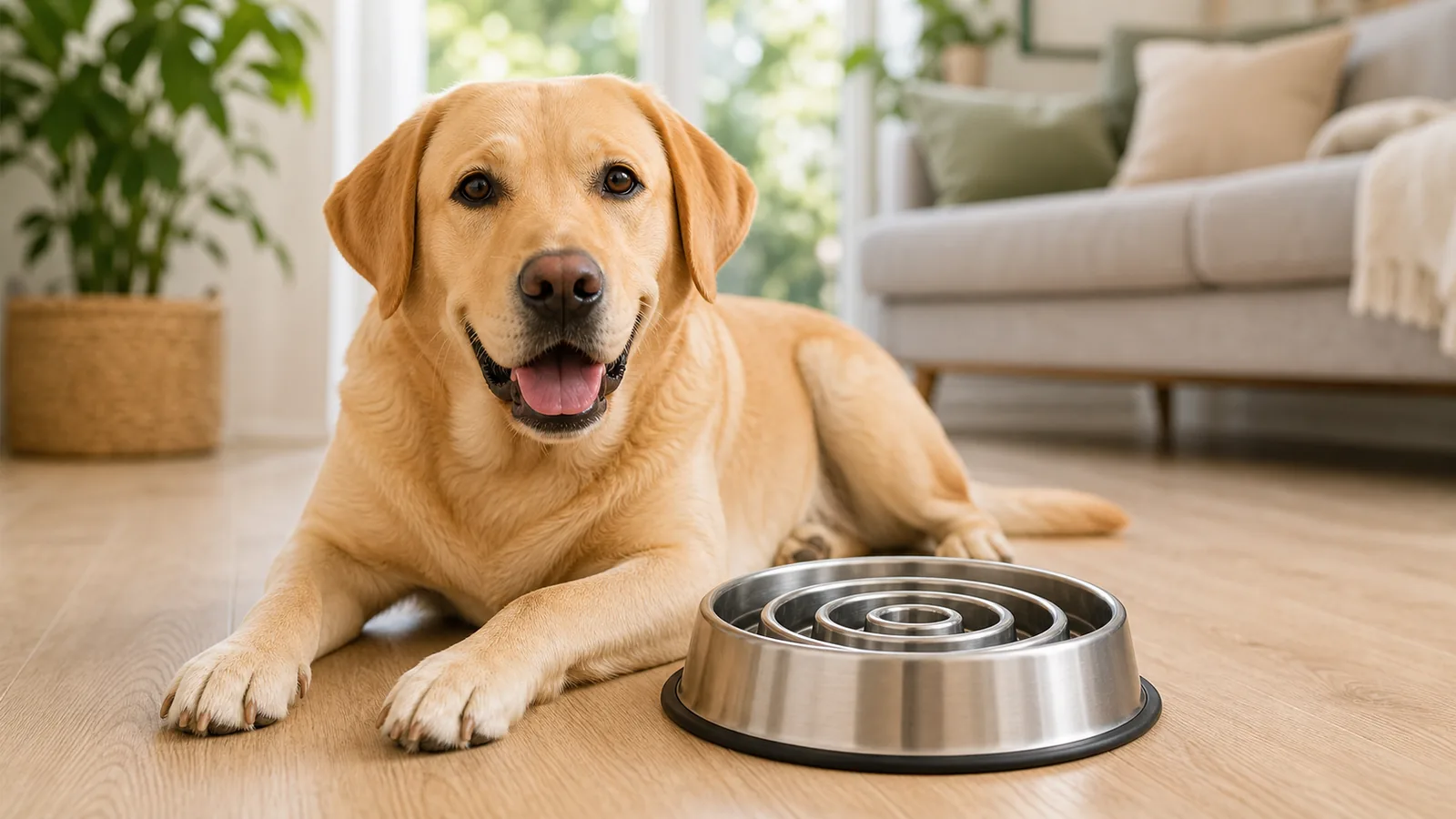
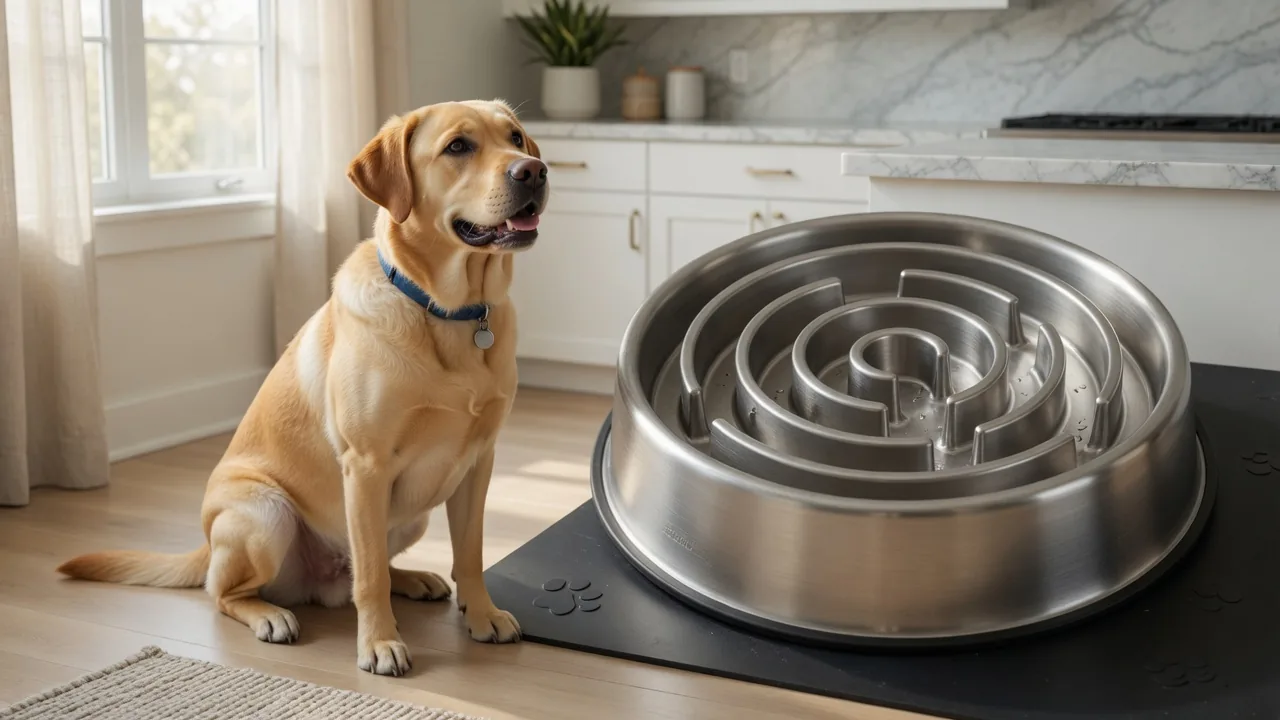
Slow feeders are not one-size-fits-all. Deep, tight mazes that work on a Labrador are unusable for a flat-faced Bulldog; a Dachshund needs shallow channels it can reach without straining its neck; a Great Dane needs a base wide enough not to skate across the floor. The breed guides below work through those trade-offs one dog at a time.
When to see a vet
Fast eating is usually a habit, not an illness — but a distended, hard abdomen, unproductive retching, sudden ravenous hunger, or weight loss despite a normal appetite are veterinary questions. Our guides flag those lines where they come up, and they don't try to replace an examination.