Written by Ethan Walker · Reviewed against our Editorial Guidelines · Updated August 17, 2026
Best Dog Food for Allergies
The best dog food for a dog with allergies is a novel-protein or hydrolyzed-protein formula that avoids whatever your dog is actually reacting to — usually chicken, beef, dairy, wheat, or soy — since true food allergies are almost always a reaction to a specific protein, not "grain" in general. If your dog is dealing with itchy skin, red paws, recurring ear infections, or hot spots, diet is one of the two most common root causes (the other being environmental allergens like pollen or dust mites) — and the right food can make a real difference.
This guide covers how to tell a food allergy from an environmental one, which ingredients actually cause most reactions, and how to pick a formula for your dog's specific symptoms.
Food allergy vs. environmental allergy
These get lumped together but need different fixes:
- Food allergies typically cause year-round symptoms: itchy skin (especially paws, belly, ears), digestive upset, and recurring ear or skin infections. Diet change is the direct fix.
- Environmental allergies (pollen, dust mites, mold) are often seasonal, cause similar itching but usually without the digestive symptoms, and need environmental management (allergy meds, more frequent bathing, air filtration) — food alone won't solve these.
- Many dogs have both, which is why an elimination diet run by (or at least guided by) a vet is the only fully reliable way to identify a true food allergy — but switching to a novel or limited-ingredient protein first is a reasonable, low-risk starting point.
The proteins that actually cause most dog food allergies
Despite "grain-free" marketing, the most common triggers in dogs are proteins, not grains:
- Chicken — the single most common trigger, largely because it's in almost every mainstream dog food.
- Beef — second most common, same logic (ubiquity in mainstream diets).
- Dairy
- Wheat
- Soy
This is exactly why a novel protein (one your dog hasn't eaten before — commonly salmon, lamb, venison, or duck) is the standard first move: if your dog has never eaten duck, it can't have developed an allergy to it.
What to look for in an allergy formula
- A single novel protein, clearly listed as the first ingredient — not "chicken meal" hiding lower on the list.
- Limited ingredients overall — the fewer possible triggers, the easier it is to actually identify what's causing the reaction if problems continue.
- Hydrolyzed protein option for severe or multi-protein allergies — the protein is broken down into pieces too small for the immune system to recognize as an allergen; this is typically a vet-prescribed tier, but it's the most reliable option for dogs that react to everything else.
- Added omega-3s (fish oil) — genuinely help calm inflamed, itchy skin regardless of the underlying trigger.
- No artificial preservatives (BHA/BHT/ethoxyquin) or dyes — a real, if smaller, contributor to skin reactions in sensitive dogs.
Best picks by symptom and protein
Salmon-based formulas are the most common allergy-friendly pick, largely because chicken allergy is so common — salmon covers that gap and adds omega-3s for skin health directly.
Lamb-based formulas work well as a second novel-protein option, especially for dogs that react to both chicken and fish.
For skin-specific symptoms (itching, hot spots, dull coat): prioritize a formula with a strong omega-3/omega-6 ratio on top of the novel protein — the fatty acids help regardless of exactly which protein triggered the flare-up.
For dogs with both allergies and a sensitive stomach: look for a formula that's both limited-ingredient AND easily digestible (sweet potato or rice-based, not legume-heavy) — see our best dog food for sensitive stomach guide for the digestibility side of this.
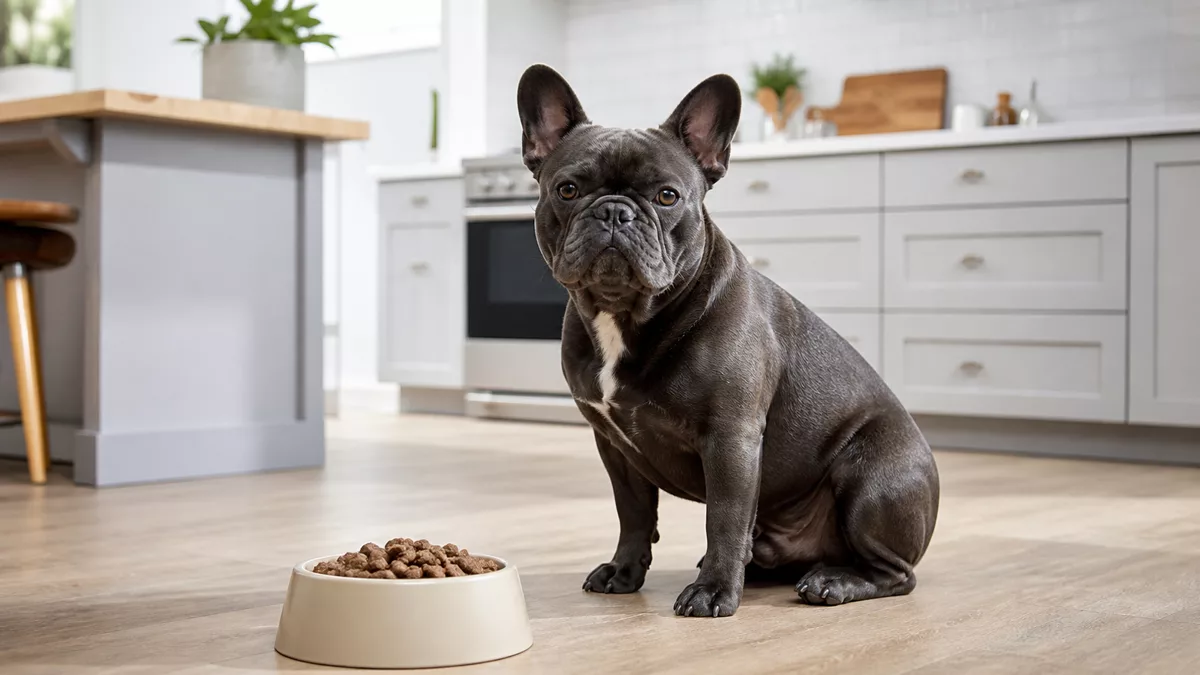
French Bulldogs, Pugs, and other allergy-prone breeds benefit especially from a limited-ingredient formula since these breeds are statistically more prone to both food and environmental allergies — starting clean early can prevent years of chasing symptoms.
👉 Check current prices on Amazon →
(As an Amazon Associate we earn from qualifying purchases — see our disclosure.)
Running a proper elimination diet
- Pick ONE novel protein your dog has never eaten, and a single carb source.
- Feed ONLY that food — no treats, no table scraps, no flavored medications — for 8-12 weeks. This is the part almost everyone gets wrong; even small amounts of the trigger ingredient reset the clock.
- Track symptoms weekly. Genuine improvement by week 4-6 is a strong signal you've found a workable formula.
- Reintroduce one ingredient at a time afterward if you want to identify the exact trigger, waiting 1-2 weeks between each.
When it's not just food
If your dog is fully on a novel-protein, limited-ingredient diet for 8+ weeks with no improvement, the allergy is likely environmental (or a mixed picture) rather than purely food-driven — that's the point to loop in a vet or veterinary dermatologist rather than continuing to cycle through dog foods.
The bottom line
The best dog food for allergies is a novel-protein, limited-ingredient formula — salmon or lamb are the most common starting points — fed exclusively (no treats or scraps) for 8-12 weeks to give it a fair test. If symptoms don't improve after a genuinely clean trial, the trigger is likely environmental rather than food, and it's time for a vet visit rather than another bag of food.
👉 Check current prices on Amazon →
Frequently Asked Questions
What is the best dog food for a dog with allergies? A novel-protein, limited-ingredient formula — salmon and lamb are the most common starting points — that avoids whatever your dog is actually reacting to, most often chicken, beef, dairy, or wheat.
How do I know if it's a food allergy or environmental allergy? Food allergies usually cause year-round itching plus digestive symptoms and recurring ear/skin infections. Environmental allergies are often seasonal and usually skip the digestive symptoms. Many dogs have both, which is why an elimination diet is the most reliable way to tell.
What dog food proteins cause the most allergies? Chicken and beef are the two most common triggers, mainly because they're in almost every mainstream dog food — not "grain" in general, despite the marketing around grain-free diets.
How long does an elimination diet take to work? 8-12 weeks of feeding ONLY the novel-protein food, with zero treats or table scraps. Genuine improvement by week 4-6 is a good early sign.