What Is a Slow Feeder Dog Bowl? (And How It Works)
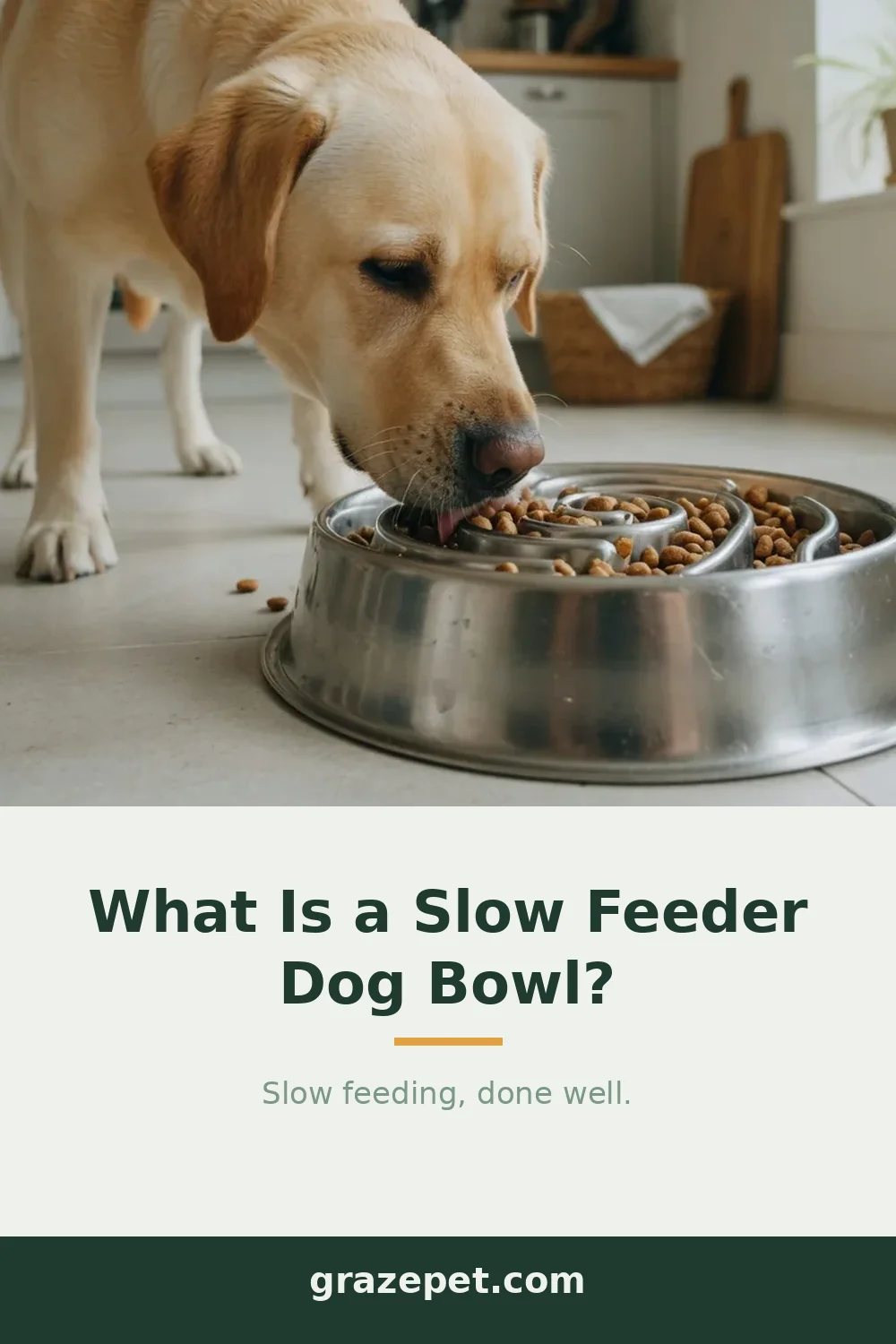
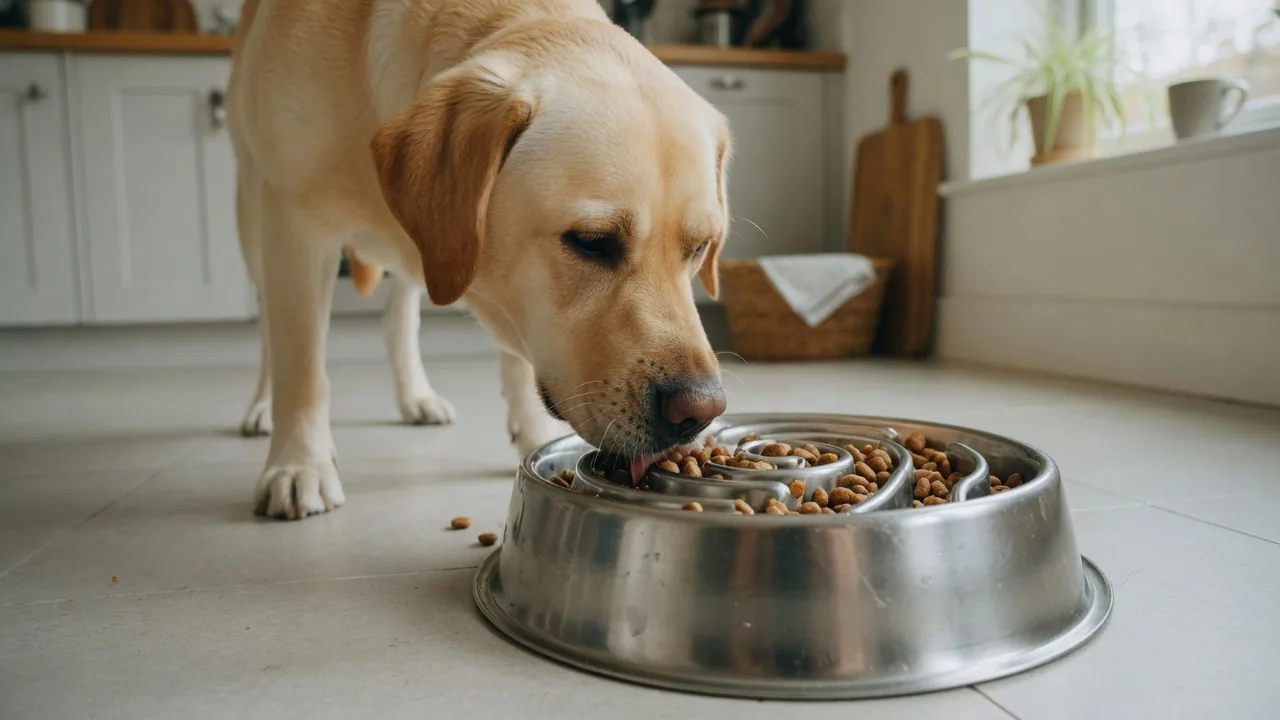
A slow feeder dog bowl is a feeding dish with a built-in maze of raised ridges that forces your dog to eat around the obstacles instead of gulping food in a few big mouthfuls. If you've seen bowls with weird ridges and swirls in the pet aisle, that's what they're for — turning a 10-second inhale into a multi-minute meal.
That's the whole idea. No electronics, no training program — just a clever shape doing the pacing for you. Below we'll break down how it works, who benefits, and how to pick one that does its job.
What is a slow feeder dog bowl, exactly?
A slow feeder dog bowl looks like a normal bowl from the outside, but the inside is filled with a pattern of raised bumps, walls, or swirls — often called a "maze." Instead of one open pool of food, that maze splits the meal into dozens of small pockets and narrow channels.
Your dog can still reach every bit of food. They just can't scoop it all at once. To get a full meal, they have to nudge, lick, and work their tongue around the ridges — which naturally slows the pace right down.
You'll also see them called maze bowls, anti-gulp bowls, or portion-control feeders. They all describe the same basic tool: a bowl designed to make fast eating physically harder.
How does a slow feeder work?
The effect is mechanical, not psychological — which is why it's so reliable. A slow feeder does three things at once:
- Limits bite size. The ridges block big scoops, so each mouthful is small.
- Adds tongue and nose work. Your dog has to actively dig food out of the channels instead of swallowing it whole.
- Builds in pauses. Moving from one pocket to the next breaks the non-stop gulping rhythm.
Because the bowl does the slowing, your dog doesn't have to "decide" to eat slowly. A determined gulper can be paced by the design alone, often stretching a meal from seconds to several minutes. If you want the deeper mechanism and the evidence behind it, we cover it in do slow feeder dog bowls actually work?
Why fast eating is worth slowing down
Slowing your dog's meals isn't just about tidier manners. Fast, gulpy eating comes with real downsides:
- Gulped air → gas and bloating. Fast eaters swallow a lot of air, which means burping, wind, and a bloated-looking belly.
- Post-meal vomiting or regurgitation. The classic "eat fast, bring it back up minutes later" pattern often eases when food doesn't hit the stomach all at once.
- Choking risk on large, unchewed pieces.
- Bloat (GDV). In deep-chested breeds, swallowed air is one factor linked to this serious stomach condition — so slower eating can help reduce a contributing factor, though a bowl is a sensible precaution, not a guarantee.
A slow feeder can help reduce these everyday issues, which is why so many owners reach for one once their dog turns dinner into a race.
Which dogs benefit most?
Almost any dog can use a slow feeder, but some benefit more than others:
- Fast eaters and gulpers — the obvious candidates, and the ones who see the biggest change.
- Dogs prone to gas or post-meal vomiting — slowing the pace often settles the stomach.
- Deep-chested breeds (Great Danes, Boxers, German Shepherds, Standard Poodles) — where pacing matters most because of bloat risk.
- Bored dogs — the maze adds a little light enrichment to an otherwise 10-second event.
If your dog already eats calmly, you don't strictly need one — but many owners still like the gentle mental workout it adds.
What to look for in a good slow feeder
Not all slow feeders are equal. When you're choosing one, weigh these:
- Material. Plastic scratches over time, and those micro-scratches trap food residue and bacteria. A stainless steel slow feeder stays non-porous, won't hold odors, and is dishwasher-safe.
- Maze difficulty. You want a real maze that paces a determined eater — but not one so extreme it frustrates an anxious dog. Moderate is the sweet spot.
- Size and snout fit. The channels need to match your dog's snout so they can actually reach the food without sweeping it out too easily.
- Stability. A non-slip base stops the bowl skating across the floor as your dog works at it.
Our Stainless Steel Slow Feeder Dog Bowl is built for exactly this: a maze that paces fast eaters, a non-slip base that keeps it put, and a rust-proof, dishwasher-safe surface that stays hygienic for years.
For a full side-by-side of the top options, see our hub guide to the best slow feeder dog bowls.
👉 See the Stainless Steel Slow Feeder Dog Bowl →
The bottom line
So, what is a slow feeder dog bowl? It's a simple, maze-shaped bowl that turns fast, gulpy eating into a slower, more deliberate meal — using nothing more than clever geometry. That slowdown can help reduce gas, post-meal vomiting, and mess, and it adds a little enrichment along the way. Pick one in a durable material, in the right size for your dog, and it quietly does its job at every meal.
❓ FAQ (also add FAQ schema)
What is a slow feeder dog bowl? It's a feeding dish with a built-in maze of raised ridges that splits food into small pockets, so your dog has to eat around the obstacles instead of gulping it all at once. This slows eating from seconds to several minutes.
How does a slow feeder bowl work? Mechanically. The ridges limit bite size, force tongue and nose work, and add natural pauses — so the bowl paces your dog without any training needed.
Are slow feeder bowls good for all dogs? Most dogs can use one, and fast eaters, gassy dogs, and deep-chested breeds benefit most. Dogs who already eat calmly don't strictly need one, but still get light enrichment from it.
What material is best for a slow feeder? Stainless steel is generally best — it doesn't scratch and trap bacteria the way plastic does, holds no odors, and is dishwasher-safe and long-lasting.
Save this guide