Maze Dog Bowl: What It Is & Why Dogs Need One
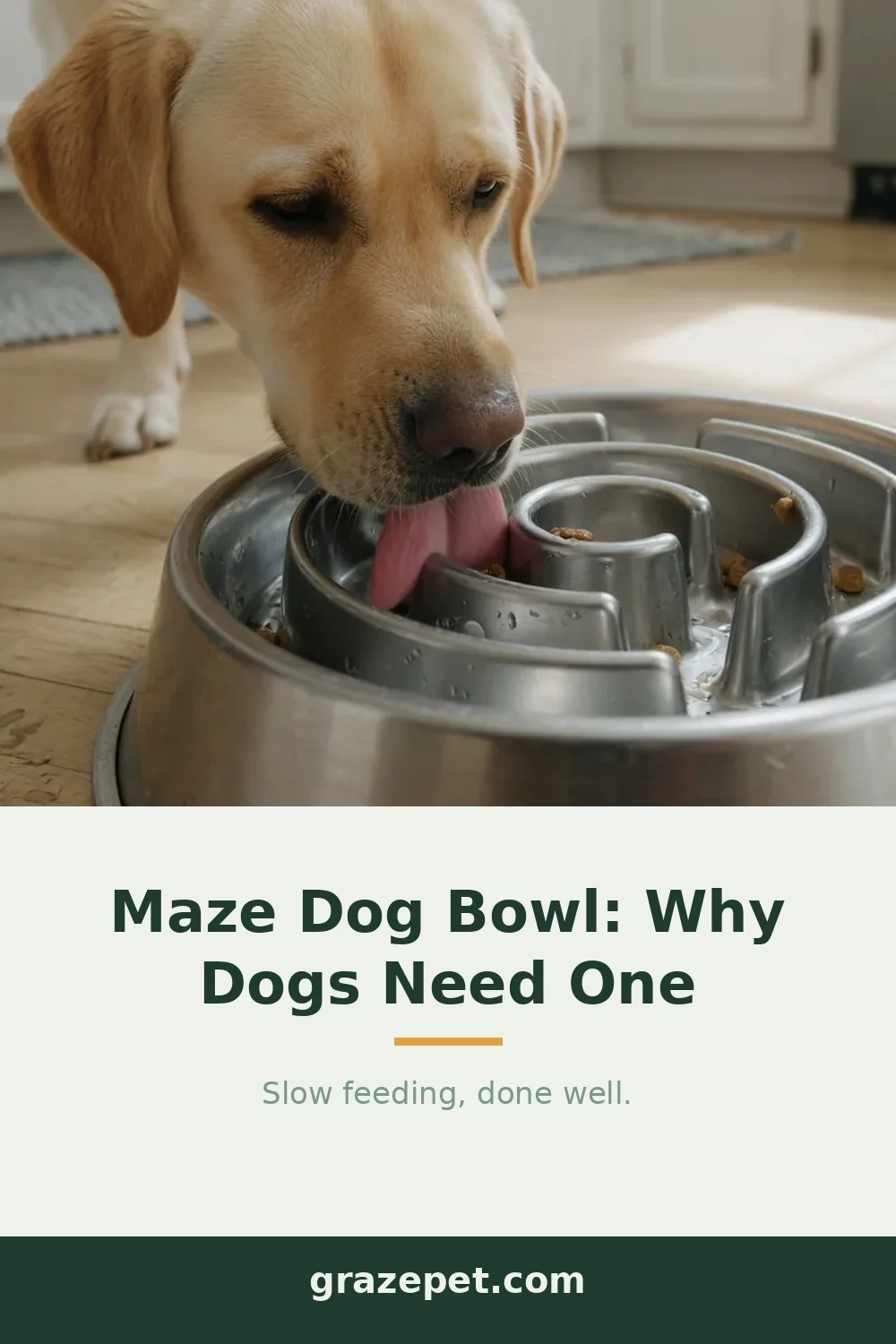
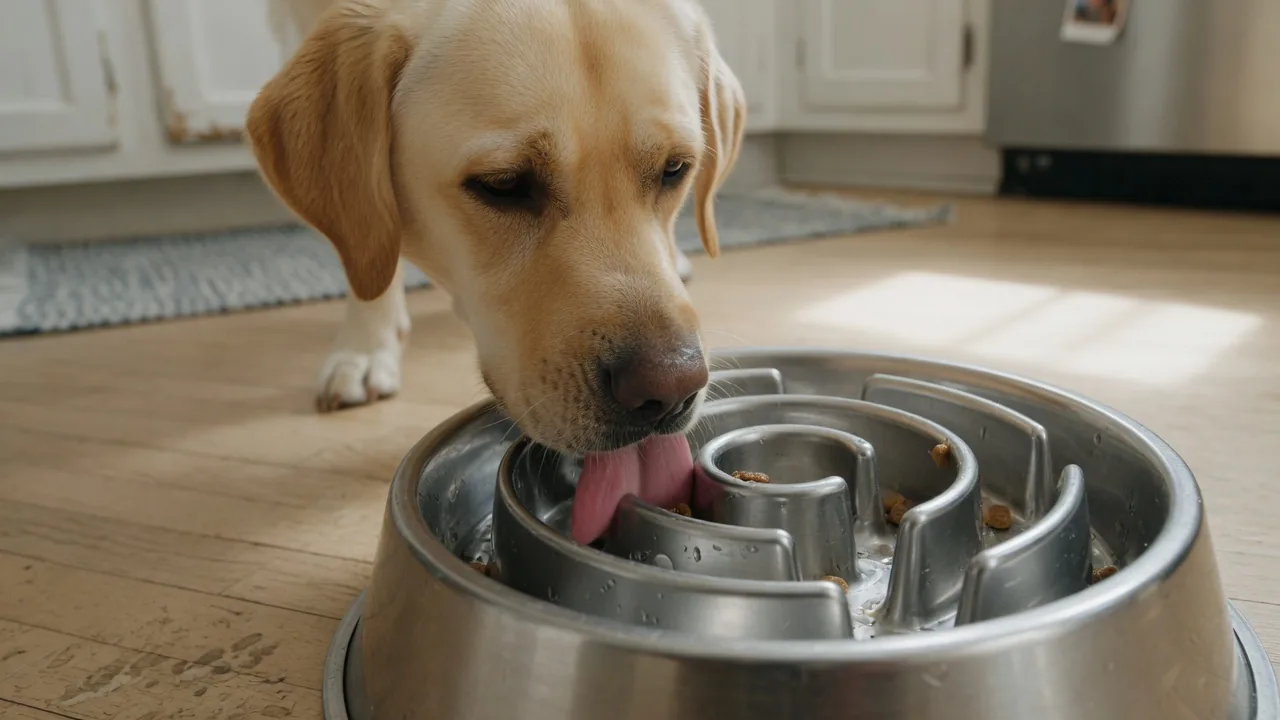
A maze dog bowl is a feeding bowl with raised ridges moulded into the base, forcing your dog to work food out of the twists and channels instead of gulping it down in seconds — the same idea as a "slow feeder," where the maze itself is the slow-down mechanism.
If your dog treats dinner like a race, a maze bowl is one of the cheapest, lowest-effort upgrades you can make. Below we'll explain how it works, why so many owners swear by it, and what separates a good maze bowl from a frustrating one.
What is a maze dog bowl?
A maze dog bowl replaces the single open pool of a normal bowl with a pattern of walls, swirls, and pockets. Your dog can still reach every piece of food — they just can't scoop it all in one go. To finish a meal, they have to nudge and lick food out of each section of the maze.
You'll see the same product sold under a few names: maze bowl, slow feeder, anti-gulp bowl, or puzzle feeder. The label varies, but the job is identical — use shape to slow eating down.
The difficulty of the maze matters. A shallow pattern with wide channels barely slows a determined gulper, while an extreme one can frustrate an anxious dog. A well-designed maze sits in the middle: challenging enough to pace your dog, easy enough that they don't give up.
How a maze bowl slows your dog down
The slow-down is mechanical, not a matter of willpower. A good maze dog bowl does three things at once:
- Shrinks each mouthful. The ridges block big scoops, so your dog takes small bites.
- Forces tongue and nose work. Food has to be dug out of the channels, which naturally paces the meal.
- Adds pauses. Moving between pockets interrupts the non-stop gulping rhythm.
The result is that a meal that used to disappear in 10 seconds can stretch to several minutes — often from the very first time you use it. There's no training curve: the bowl carries the work.
Why dogs need a maze bowl: the benefits
A maze bowl can help with several everyday problems beyond tidier mealtimes:
- Less gulped air → less gas and bloating. Fast eaters swallow a lot of air; slowing the pace cuts down on wind and that bloated-looking belly.
- Less post-meal vomiting or regurgitation. When food doesn't hit the stomach all at once, the "eat fast, bring it back up" pattern often eases.
- Lower choking risk on big, unchewed pieces.
- A calmer dog after meals. A few minutes of focused work tends to settle dogs more than a frantic 10-second event.
- Light mental enrichment. Working the maze gives your dog a small, satisfying puzzle at every meal.
For deep-chested breeds, slower eating can also help reduce one contributing factor to bloat (GDV) — swallowed air — though a bowl is a sensible precaution, not a guarantee. We cover the broader picture in our best slow feeder dog bowls hub guide.
What makes a good maze dog bowl
The material and design decide whether you'll love a maze bowl or replace it:
- Material. Cheap plastic scratches, and those micro-scratches trap food residue and bacteria — which puts picky eaters off. A stainless steel maze bowl stays non-porous, holds no odors, and is dishwasher-safe.
- Maze difficulty. Moderate wins. Enough of a maze to pace a gulper, not so much that an anxious dog quits.
- Size and snout fit. The channels should match your dog's snout so they can reach the food without sweeping it all out at once.
- Stability. A non-slip base keeps the bowl from skating across the floor while your dog works at it.
Our Stainless Steel Slow Feeder Dog Bowl brings all four together: a genuine maze that paces fast eaters, a non-slip base, and a rust-proof, dishwasher-safe surface that stays hygienic for years — unlike plastic that scratches and warps.
👉 See the Stainless Steel Slow Feeder Dog Bowl →
How to introduce a maze bowl
Getting started is simple:
- Use your dog's normal portion — don't cut food, just change the bowl.
- Let them figure it out. Most dogs solve the maze within one meal.
- Ease anxious dogs in. Scatter a little food loosely on top to start, then let them dig into the channels.
- Keep it clean. Rinse or dishwasher after each meal so it stays appealing — effortless with stainless steel.
That's it. No training program required — the maze does the pacing for you.
The bottom line
A maze dog bowl is a simple, effective way to slow a fast eater using nothing but a clever shape. It can help reduce gas, post-meal vomiting, choking risk, and mealtime chaos, while adding a little enrichment along the way. Choose a durable, well-sized maze bowl — a stainless steel one is hard to beat — and it quietly earns its keep at every meal.
👉 See our top pick: the Stainless Steel Slow Feeder Dog Bowl →
❓ FAQ (also add FAQ schema)
What is a maze dog bowl? It's a feeding bowl with a maze of raised ridges moulded into the base, so your dog has to work food out of the channels instead of gulping it down. It's the same idea as a slow feeder — the maze is what slows eating.
Do maze bowls actually slow dogs down? Yes. The maze limits bite size, forces tongue and nose work, and adds pauses, so a meal that took 10 seconds can stretch to several minutes — usually from the first use.
Are maze bowls safe for dogs? Yes, when well designed and the right size. Choose a moderate maze difficulty and a non-toxic material like stainless steel, and match the channel size to your dog's snout.
What's the best material for a maze bowl? Stainless steel. It doesn't scratch and trap bacteria the way plastic does, holds no odors, is dishwasher-safe, and lasts for years.
Save this guide